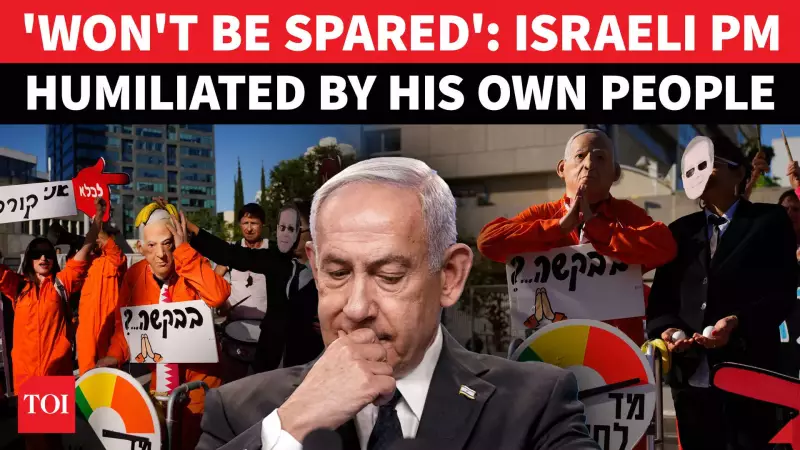
Tensions flared dramatically on the streets of Tel Aviv as Israeli Prime Minister Benjamin Netanyahu arrived for a court hearing related to his long-running corruption cases. The hearing followed his highly controversial submission of a formal request for a presidential pardon, a move that has ignited a fierce political and public backlash across the nation.
Court Confrontation and Public Outrage
According to reports from the Associated Press, protesters gathered outside the courthouse to voice their anger as the Prime Minister made his appearance. The scene underscored the deep divisions within Israeli society regarding Netanyahu's legal battles. His request for clemency, which seeks to bypass the judicial process, is seen by many as an attempt to evade accountability. The atmosphere was charged, reflecting the high stakes of a decision that could determine the political future of the country's longest-serving leader.
Political Firestorm and Legal Review
The pardon plea has triggered a sharp and immediate reaction from opposition leaders and government watchdog organizations. They have condemned the request as a dangerous undermining of the rule of law and an affront to judicial independence. However, the move is not without its supporters. Some Israeli citizens and political allies argue that the nation needs closure and to move past the protracted legal saga that has dominated politics for years. The Justice Ministry and the president's legal advisers are now formally reviewing the request, setting the stage for a fresh and intense political showdown.

A Nation Divided Awaiting a Decision
The core issue now rests with the official review process. The decision by President Isaac Herzog, guided by his legal team and the Justice Ministry's input, will have profound implications. It pits calls for national unity and moving forward against demands for legal accountability and the principle that no one is above the law. This latest development, dated December 2, 2025, ensures that Netanyahu's legal troubles will remain at the very center of Israel's volatile political landscape, with the potential to spark further unrest and debate across all levels of society.