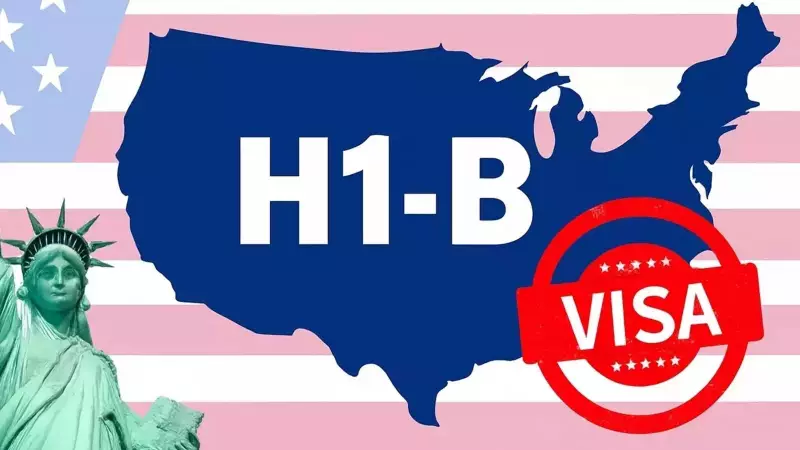
The United States has introduced a significant change to its visa application process that will directly impact thousands of Indian students, skilled professionals, and their family members. Starting December 15, 2025, the US State Department will formally conduct an online presence review for all applicants in the H-1B and H-4 visa categories. This move extends an existing policy, already applied to F, M, and J category applicants, to include temporary workers and their dependents.
What the New US Visa Screening Rule Entails
The core instruction from the State Department is clear: all applicants falling under these visa groups must set their social media profiles to public mode before attending their visa interview. This directive covers major platforms like Instagram, Facebook, X (formerly Twitter), LinkedIn, and YouTube. It also includes any personal websites, blogs, portfolios, or online accounts linked to the applicant's identity.
The objective, as stated by the Department, is to grant consular officers full access to publicly available information that can aid in the screening and vetting process. This data helps officers assess an applicant's background, intentions, and overall eligibility. Online activity is now a standard part of routine checks, not an optional element. The Department emphasized that every visa decision involves national security considerations, and applicants must demonstrate their intent to comply with visa terms.

Implications for Indian Students (F, M Visas)
While students on F and M visas were already subject to online reviews, the new announcement clarifies expectations. Consular officers may now scrutinize social media content more closely to verify consistency with the DS-160 form and interview statements.
Students should ensure their online profiles accurately reflect their academic interests, campus plans, and professional portfolios. Discrepancies like outdated bios, conflicting educational details, or old posts unrelated to their chosen field can raise questions. Those with research ambitions must align their online footprint with their stated academic goals.
Impact on H-1B Skilled Workers and Dependents
For H-1B applicants, the shift is major. Officers will examine public online accounts with the same scrutiny as formal supporting documents. Platforms like LinkedIn will be checked for work history, job roles, and employer information. Any public content about previous employment, career changes, or professional views may be evaluated during the eligibility assessment.
It is crucial for employees to ensure their online professional details match exactly with the information provided in their visa petitions. Inconsistencies in job titles, employment dates, or skills could lead to requests for clarification.
Dependent applicants on H-4 visas are also covered. Even if they are not primary applicants, any existing social media or online accounts must be made publicly viewable. Reviewing and updating old personal posts is advisable to present a current and accurate online identity.
Steps Applicants Should Take Immediately
Proactive preparation is key. Applicants are advised to conduct a thorough audit of their digital footprint.
- Review All Accounts: Check every social media profile, blog, or website linked to your name.
- Ensure Accuracy and Consistency: Align all online information with your visa application details—educational background, work history, and future plans.
- Clean Up Old Content: Update or remove outdated information from unused accounts that might still appear in searches. Delete or archive posts that contradict your current visa purpose.
- Switch to Public: Change the privacy settings on all relevant profiles to public before your interview date.
While the State Department has not explicitly stated that private accounts will lead to denial, the instruction is firm. Full cooperation with all screening steps, including this online review, is expected from applicants.

Growing Concerns in the Indian Applicant Community
The announcement has sparked anxiety among Indian students targeting 2026 admissions and H-1B professionals planning travel. Common concerns include how historical online activity will be interpreted and whether minor oversights could delay processing. Given the timeline, the most practical approach for Indian applicants is to prepare in advance, ensuring all online information is transparent, consistent, and clearly supports their visa case.