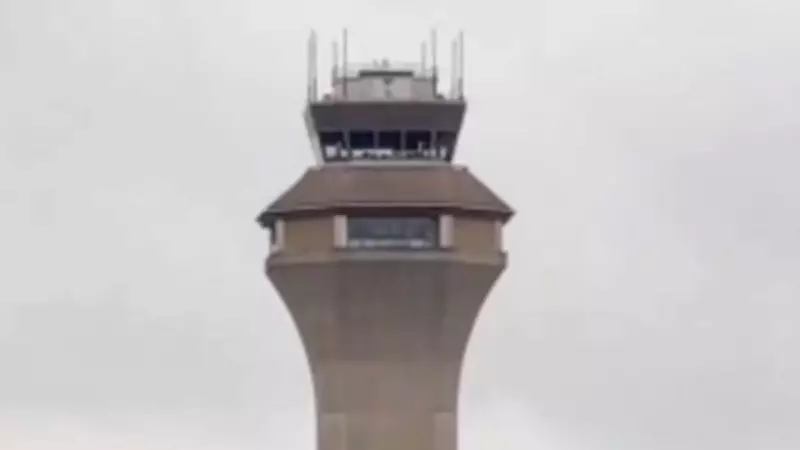
Newark Airport Control Tower Evacuated Following Burning Smell Incident
In a significant disruption to air travel, the control tower at Newark Liberty International Airport was evacuated on Saturday after personnel reported a strong burning smell. The incident prompted an immediate halt to all flight operations at one of the busiest airports in the United States, causing delays and cancellations that rippled across the aviation network.
Emergency Response and Operational Shutdown
Airport authorities swiftly responded to the emergency, evacuating the control tower as a precautionary measure to ensure the safety of air traffic controllers and staff. The source of the burning smell remains under investigation, with initial reports suggesting it may have originated from an electrical issue or equipment malfunction within the tower's infrastructure.
Flight operations were temporarily suspended, affecting both incoming and outgoing flights. This led to a cascade of delays, with airlines advising passengers to check their flight statuses and expect significant disruptions. The Federal Aviation Administration (FAA) and local fire departments were on scene to assess the situation and conduct necessary inspections.

Impact on Travel and Passenger Advisory
The halt in operations at Newark Airport, a major hub for domestic and international flights, resulted in widespread travel chaos. Passengers faced uncertainties as flights were grounded, with many experiencing extended wait times and rescheduling challenges. Airport officials issued advisories urging travelers to contact their airlines for updates and to allow extra time for their journeys.
This incident highlights the critical role of control towers in aviation safety and the rapid response protocols in place to address potential hazards. While no injuries were reported, the evacuation underscores the importance of maintaining rigorous safety standards in airport operations.
Investigation and Restoration Efforts
Authorities are conducting a thorough investigation to determine the exact cause of the burning smell and to ensure that the control tower is safe for reoccupation. Preliminary checks focused on electrical systems, ventilation, and fire safety measures. Once cleared, operations are expected to resume gradually, with priority given to restoring normal flight schedules.
The incident serves as a reminder of the vulnerabilities in aviation infrastructure and the need for continuous monitoring and maintenance. As the situation develops, updates will be provided to the public regarding the resumption of full operations at Newark Airport.