NYC's Rapid Blizzard Recovery Ignites Infrastructure Debate Amid Record Snowfall
As one of the most powerful winter storms in a decade buried large parts of the northeastern United States under record snowfall, a viral social media post praising New York City's swift recovery has reignited intense debate over the city's infrastructure and emergency response capabilities. The storm, described by meteorologists as a classic bomb cyclone or nor'easter, forced widespread shutdowns of schools, offices, and transport systems across the region, yet New York's rapid bounce-back has drawn both admiration and scrutiny.
Viral Social Media Posts Highlight Stark Contrasts
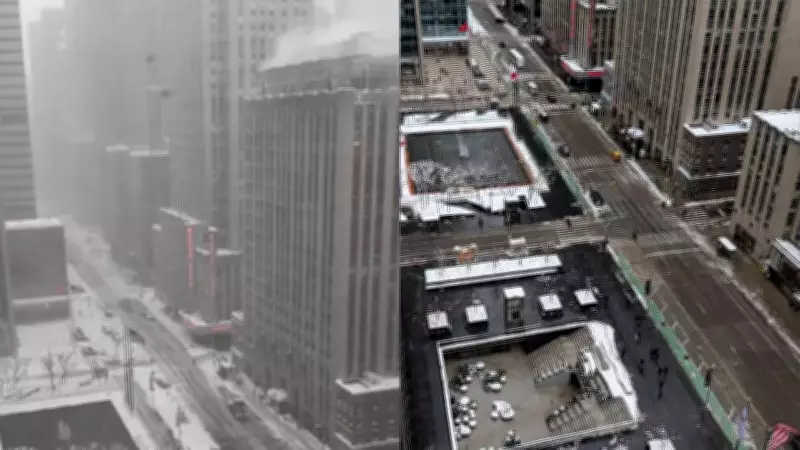
A user on X, formerly known as Twitter, sparked widespread discussion by writing, "New York isn't perfect but it's still one of the best functioning cities in the country. The fact that I can take the subway to dinner just hours after a blizzard is incredible, meanwhile people in the suburbs are snowed in for days." This post came in response to another user expressing surprise at how quickly Midtown streets were cleared despite heavy snowfall, with remarks noting, "We received 20 INCHES of snow, but you'd never know," referring to conditions around their office. These viral comments underscored the stark contrast between New York City's extensive snow removal efforts and slower response times in surrounding suburban areas, where residents often faced prolonged isolation due to snow accumulation.
Mammoth Cleanup Effort and Paid Snow Shovel Program
Amid the crisis, New York Mayor Zohran Mamdani announced an emergency initiative to accelerate snow clearance by paying residents to shovel streets and sidewalks. During a press conference, Mamdani detailed that the city coordinated with the New York City Department of Sanitation to deploy 33 vans and two buses for transporting registered shovelers to priority areas. According to reports cited by Daily Mail, participants were offered USD 19.14 per hour, with rates rising to $28.71 per hour after 40 hours of work in a week. Applicants were required to be at least 18 years old, legally eligible to work in the US, and capable of physically demanding labor.

The program triggered mixed reactions online, with some users questioning identification requirements, while others defended the policy as necessary for safety and payment verification. This initiative highlighted the city's proactive approach to managing extreme weather events, though it also raised discussions about labor practices and emergency preparedness.
Record Snowfall, Power Outages, and Transport Disruption
The historic storm dumped nearly 20 inches of snow in Central Park, while parts of Long Island recorded more than 22 inches, according to the National Weather Service. Elsewhere in the Northeast, snowfall totals were even higher, with the city of Providence recording 32.8 inches, breaking a decades-old record. The severe weather knocked out power to approximately 600,000 homes and businesses and forced more than 10,000 flight cancellations nationwide. Rail services between New York and Boston were suspended by Amtrak, and the storm even led to the postponement of a meeting at the United Nations headquarters.
Meteorologists at the Weather Prediction Center described the storm as a "Goldilocks situation," with temperatures perfectly suited to produce heavy, wet snow capable of paralyzing infrastructure. This analysis emphasized the unique challenges posed by the blizzard, which tested the resilience of urban and suburban systems alike.
Rapid Recovery Highlights City Infrastructure Strengths
Despite the initial chaos, conditions improved rapidly across New York City. Officials lifted restrictions on most roads, bridges, and highways, and public schools were scheduled to reopen for in-person classes on Tuesday. By Monday afternoon, snow had eased significantly, and transportation services were gradually resuming, reflecting the city's extensive snow removal capabilities and coordinated emergency response.

The viral posts highlighting clear streets and operational subway lines not only praised New York's efficiency but also pointed to broader issues of urban planning and resource allocation. Forecasters warned that another weaker system could bring additional snowfall later in the week, although uncertainty remains over whether it will result in rain or snow. For many New Yorkers, however, the rapid return to normalcy after such a massive storm reinforced the city's reputation for resilience under extreme weather conditions, even as debates continue over how to balance speed with safety and equity in emergency management.