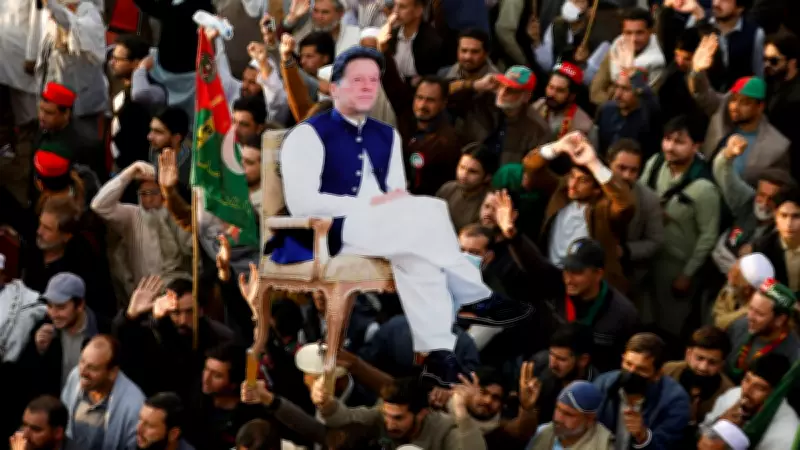
Pakistani Court Delivers Major Verdict Against Imran Khan's PTI
A court in Pakistan has issued a landmark ruling, sentencing 47 leaders and supporters of former Prime Minister Imran Khan's Pakistan Tehreek-e-Insaf (PTI) party to 10 years of imprisonment. This decision represents one of the most substantial legal actions taken against the opposition party in recent times, intensifying the already fraught political landscape in the country.
Details of the Court's Decision
The sentencing was carried out by a judicial body that found the individuals guilty in a case that has been closely watched by political analysts and the public alike. The court's verdict includes prominent figures from the PTI, though specific names have not been disclosed in initial reports. The charges leading to these sentences are believed to be related to activities deemed unlawful under Pakistani law, though the exact nature of the offenses remains under scrutiny.
This ruling comes amid a period of heightened political strife, with the PTI facing increased pressure from authorities following Imran Khan's removal from office. The sentences are seen by many as part of a broader crackdown on dissent and opposition voices within Pakistan, raising concerns about judicial independence and the rule of law.

Political Implications and Reactions
The sentencing of 47 PTI members is expected to have far-reaching consequences for Pakistan's political dynamics. Supporters of Imran Khan have condemned the verdict, labeling it as politically motivated and an attempt to silence the opposition. In contrast, government officials have defended the court's decision, emphasizing the importance of upholding legal standards and maintaining order.
Analysts suggest that this development could further polarize the nation, potentially leading to increased protests and unrest. The PTI, which remains a significant force in Pakistani politics, may use this event to rally its base and challenge the current administration's legitimacy. International observers are also monitoring the situation, with some expressing worries about human rights and democratic norms in the region.
Background and Context
Imran Khan, a former cricket star turned politician, founded the PTI and served as Pakistan's Prime Minister until his ouster in a no-confidence vote. Since then, he and his party have been embroiled in numerous legal battles, with allegations ranging from corruption to incitement of violence. This latest sentencing adds to a series of legal setbacks for the PTI, which has consistently denied any wrongdoing and accused the establishment of bias.
The case underscores the ongoing power struggles within Pakistan, where the judiciary often plays a pivotal role in political affairs. As the country grapples with economic challenges and security issues, such legal actions could impact stability and governance. The 10-year sentences handed down to these 47 individuals mark a critical juncture, potentially shaping future political alignments and electoral outcomes.
In summary, the Pakistani court's decision to imprison 47 PTI leaders and supporters for a decade is a major event with significant implications for the nation's political future. It highlights the intense rivalry between the ruling coalition and the opposition, while raising questions about justice and democracy in Pakistan.