Pakistan's Ramazan Relief Package Under Intense Scrutiny Amid Widespread Hardship
The Pakistani government's much-publicized relief package for the holy month of Ramazan is facing severe criticism and public backlash as the nation's poorest citizens struggle to access basic necessities. Intended to provide subsidized food items to ease the burden of fasting, the initiative has been marred by operational failures, including widespread store closures and allegations of mismanagement.
Store Closures and Supply Chain Disruptions Cripple Relief Efforts
Across major cities and rural areas, numerous designated utility stores and other outlets meant to distribute subsidized goods have remained shut or operated with limited stock. This has created long queues and chaotic scenes, with many citizens returning empty-handed after hours of waiting. The closures are reportedly due to administrative delays, insufficient funding transfers to vendors, and logistical challenges in the supply chain.
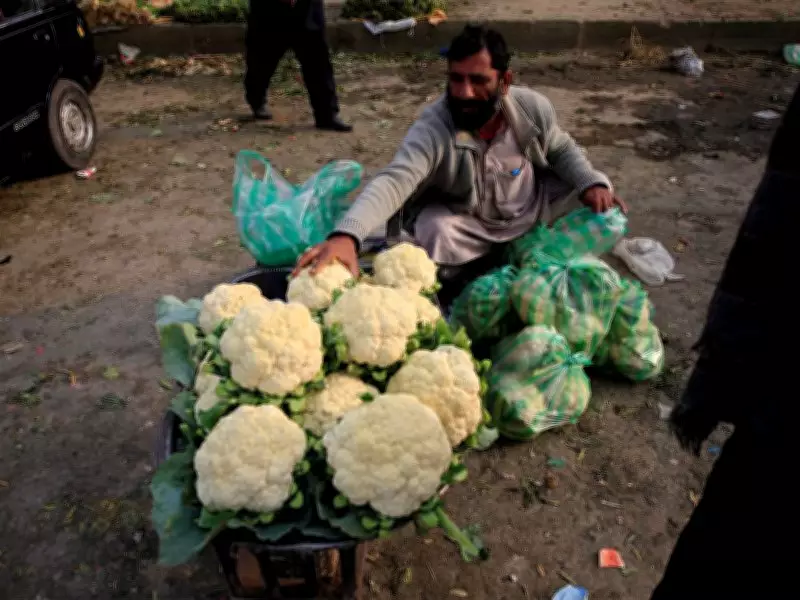
Essential items like flour, sugar, cooking oil, and pulses, which are central to the relief package, have become scarce or are being sold at inflated prices in the open market. This defeats the very purpose of the subsidy program, forcing low-income families to either forego these items or spend a disproportionate amount of their meager earnings.

Soaring Inflation Exacerbates the Crisis
The situation is further aggravated by Pakistan's persistently high inflation, which has eroded purchasing power significantly. Even when available, the prices of basic foodstuffs have skyrocketed, making it nearly impossible for the poor to afford a balanced diet during Ramazan. Many families report skipping meals or reducing their intake, contrary to the spirit of the holy month which emphasizes charity and community support.
Critics argue that the relief package, while well-intentioned, suffers from poor planning and execution. There are allegations of corruption and inefficiency in the distribution mechanism, with some reports suggesting that subsidized goods are being diverted to the black market.
Government Response and Public Outcry
Government officials have acknowledged the issues and promised corrective measures, including increasing the number of operational stores and ensuring timely disbursement of funds. However, public trust remains low, with many citizens expressing frustration over the gap between promises and reality.
The crisis highlights broader systemic challenges in Pakistan's social welfare infrastructure, including:
- Inadequate targeting of beneficiaries, leading to exclusion of the most vulnerable.
- Weak monitoring mechanisms to prevent leakages and ensure transparency.
- Over-reliance on a centralized distribution system that is prone to bottlenecks.
As Ramazan progresses, the plight of the poor continues to draw attention from civil society organizations and media, urging the government to take immediate and effective action. The success of such relief initiatives is crucial not only for alleviating immediate hardship but also for maintaining social stability in a country grappling with economic pressures.