

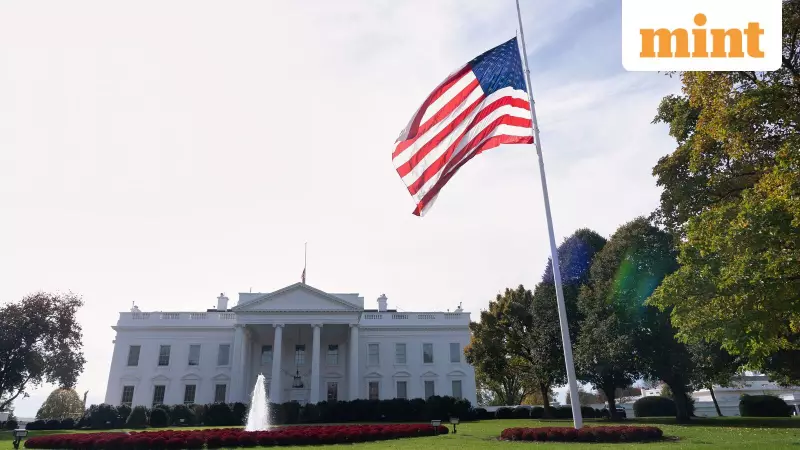
Partial US Government Shutdown Risk Escalates Ahead of Weekend Deadline
The United States faces an increasing risk of a partial government shutdown this weekend as Senate Democrats demand significant changes to Department of Homeland Security funding provisions. With current funding for substantial portions of the federal government set to expire at 12:01 a.m. ET on Saturday, Congress is racing against time to pass a comprehensive appropriations package.
Funding Package Stalled Over DHS Provisions
Congress must pass the remaining six of twelve annual appropriations bills to maintain government operations through September. The Republican-controlled House successfully passed these measures last week, bundling them together for Senate consideration. This $1.3 trillion discretionary spending package includes funding for critical agencies such as the Pentagon, Health and Human Services, Labor Department, and allocates $64 billion specifically for the Department of Homeland Security.
The DHS funding component contains $18.3 billion for Customs and Border Protection, $10 billion for Immigration and Customs Enforcement, along with resources for the Coast Guard, airport security, and the Federal Emergency Management Agency. While Republicans hold a 53-47 majority in the Senate, they require 60 votes to advance the legislation under Senate procedural rules.

Minneapolis Shooting Triggers Democratic Opposition
The political landscape shifted dramatically following a deadly incident in Minneapolis last Saturday, where a 37-year-old man was fatally shot by a U.S. Border Patrol agent. This event sparked widespread protests and intensified scrutiny of the Trump administration's immigration enforcement strategies.
In response, Senate Democrats have declared they cannot support the DHS funding provisions without substantial new restrictions and enhanced oversight mechanisms written directly into the legislation. Even Democrats who previously voted to end last year's record-long government shutdown have indicated their willingness to risk another funding lapse to force changes to the current bill.
Democratic Demands and Republican Response
Democrats are advocating for several key changes:
- Splitting the DHS funding bill from the broader appropriations package
- Implementing constraints on immigration enforcement practices
- Increasing oversight of DHS operations
- Limiting the deployment of federal agents in cities like Minneapolis
Senate Republicans have generally expressed commitment to moving forward with the complete package as originally structured. However, some Republican legislators have shown openness to negotiations aimed at resolving the current impasse. Even if a compromise emerges in the Senate, the House of Representatives would need to reconvene from its current recess to approve any modified legislation.
Potential Impact of Partial Government Shutdown
Since Congress has already enacted funding for six of the twelve annual appropriations bills, several government departments would continue normal operations during a partial shutdown, including:
- Department of Justice
- Department of Commerce
- Department of Agriculture
- Department of the Interior
- Department of Veterans Affairs
Agencies without approved funding, particularly the Department of Homeland Security and Pentagon, would enter shutdown status. This would result in:
- Suspension of nonessential government functions
- Furloughs for hundreds of thousands of federal workers
- Essential employees working without immediate pay
- All federal workers typically receiving back pay once funding resumes
Critical services including air-traffic control, border security, and law enforcement would continue operating during any shutdown period.
Tax Filing Season Considerations
As the deadline approaches, the Internal Revenue Service has not released updated contingency plans for managing a potential shutdown during the crucial tax-filing season. The IRS typically maintains higher staffing levels during this period and retains some funding from the Inflation Reduction Act that could sustain limited operations even if annual appropriations lapse.

The political standoff represents a significant test of legislative compromise as both parties navigate sensitive issues of immigration enforcement, government oversight, and federal spending priorities with a critical deadline looming.





