Post-Election Tensions in Panchagarh Spark NCP-BNP Confrontation
In the aftermath of recent elections, Bangladesh's Panchagarh district has become a focal point of political unrest, with escalating tensions triggering a direct face-off between the Nationalist Congress Party (NCP) and the Bangladesh Nationalist Party (BNP). This development underscores the volatile political climate in the region, raising concerns about stability and governance.
Background of the Conflict
The roots of the confrontation lie in the electoral outcomes and subsequent disputes over results in Panchagarh. Both the NCP and BNP have accused each other of electoral malpractices, including vote-rigging and intimidation, which have fueled resentment and led to public demonstrations. The situation has been exacerbated by historical rivalries and competing claims to local influence, making Panchagarh a hotspot for political friction.
Key Incidents and Escalation
Several key incidents have marked the escalation of tensions:

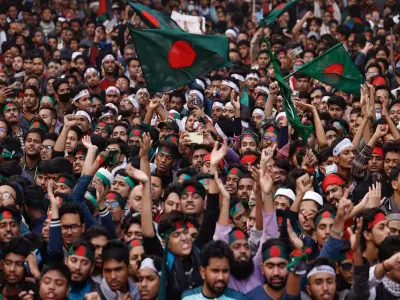
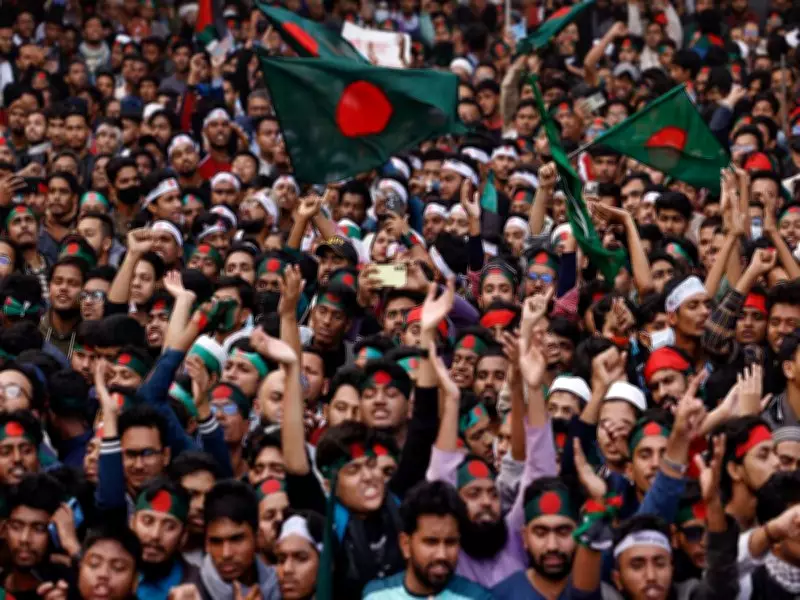
- Protests and Counter-Protests: Supporters of both parties have organized rallies and marches, often resulting in clashes that have disrupted daily life and commerce in the district.
- Allegations of Violence: Reports have emerged of physical altercations between party members, with injuries reported on both sides, though official casualty figures remain unconfirmed.
- Government Response: Local authorities have deployed additional security forces to maintain order, but their presence has sometimes been perceived as partisan, further inflaming tensions.
These events highlight the fragile state of post-election peace in Panchagarh, with the NCP and BNP locked in a struggle for political supremacy that threatens to spill over into broader unrest.
Implications for Bangladesh
The face-off in Panchagarh has significant implications for Bangladesh's political landscape:
- National Stability: As a border district, Panchagarh's instability could affect regional security and economic activities, potentially drawing attention from national leaders and international observers.
- Democratic Processes: The tensions raise questions about the integrity of electoral processes in Bangladesh, with critics pointing to a need for reforms to ensure fair and transparent elections.
- Party Dynamics: The confrontation may reshape alliances and strategies within Bangladeshi politics, as both the NCP and BNP seek to consolidate support amid the turmoil.
Experts warn that without swift intervention and dialogue, the situation could deteriorate, leading to prolonged conflict and hindering development efforts in Panchagarh.
Looking Ahead
Moving forward, resolving the tensions in Panchagarh will require concerted efforts from all stakeholders. Key steps include:
- Mediation Initiatives: Encouraging third-party mediation or government-led talks to de-escalate the conflict and address grievances.
- Security Measures: Ensuring impartial security deployments to protect citizens and prevent further violence.
- Electoral Reforms: Implementing measures to enhance transparency in future elections, reducing the likelihood of similar disputes.
As Bangladesh navigates this challenging period, the outcome in Panchagarh could serve as a bellwether for political stability across the country, emphasizing the need for peaceful resolution and democratic resilience.