Major American cities Minneapolis and Portland were engulfed in protests this week, as public outrage boiled over following separate shooting incidents involving federal law enforcement officers. The confrontations have ignited fresh debates about police conduct and the role of federal agents in local jurisdictions.
Incidents Spark Widespread Public Outcry
The unrest began after a US Marshals Service fugitive task force was involved in a shooting in Minneapolis on Wednesday. Authorities stated the task force was attempting to arrest a man wanted on a felony warrant for a firearms violation when the incident occurred. The man, who was shot, was transported to a hospital. His current condition has not been publicly disclosed.
Simultaneously, tensions flared in Portland, Oregon. There, a Federal Protective Service officer shot a person during what was described as an altercation. The officer was reportedly conducting an investigation when the individual allegedly brandished a weapon. The circumstances leading to the gunfire are under active review by multiple agencies.

Community Response and Escalating Protests
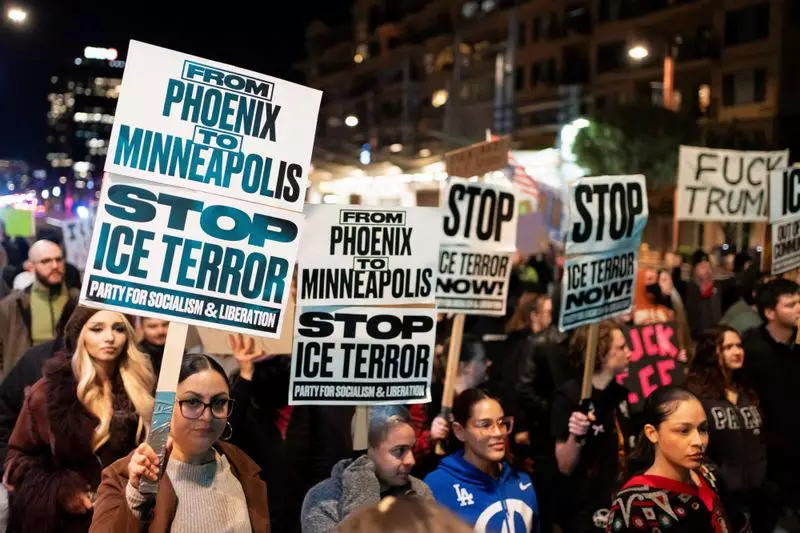
In Minneapolis, the scene of the shooting quickly became a focal point for demonstrators. Crowds gathered, expressing anger and demanding transparency. Some protesters clashed with police, leading to arrests. The city, still deeply scarred by the 2020 killing of George Floyd, saw renewed calls for police accountability and reform.
Portland witnessed a similar surge in public demonstrations. Protesters converged on federal buildings, decrying the shooting and the broader presence of federal law enforcement. The city has a recent history of prolonged protests against racial injustice and police violence, making this latest incident a catalyst for further mobilization.
Official Statements and Ongoing Investigations
Law enforcement agencies have launched investigations into both shootings. The Bureau of Alcohol, Tobacco, Firearms and Explosives (ATF) is leading the probe in Minneapolis, while the Federal Protective Service and local authorities are investigating the Portland case. Standard protocol for officer-involved shootings is being followed, which includes evidence collection and interviews with witnesses.
Officials have emphasized that the task forces involved are multi-agency efforts. The US Marshals Service task force in Minneapolis included officers from local sheriff's departments. This detail has further complicated the local response, blurring the lines between federal and local law enforcement actions in the eyes of the public.
The community's demand for immediate release of body camera footage and detailed incident reports has grown louder. Activists and civil rights groups are calling for independent oversight of the investigations to ensure impartiality.
Broader Implications and National Context
These incidents occur against a backdrop of ongoing national discourse about policing, public safety, and the appropriate use of force. The deployment of federal agents to cities has been a contentious political issue, with critics arguing it can inflame situations rather than de-escalate them.
The protests in Minneapolis and Portland highlight the fragile state of police-community relations in several urban centers across the United States. They underscore how a single law enforcement action can trigger widespread civil unrest, reflecting deep-seated grievances and a demand for systemic change.
As investigations continue, city leaders in both locations are urging calm while promising thorough reviews. The coming days will be critical in determining whether the tensions subside or escalate further, setting the tone for community relations and law enforcement strategy in these cities.