A recent commentary has cast a stark light on the perceived vulnerabilities in America's approach to high-stakes diplomacy with Russia, suggesting President Vladimir Putin is adeptly exploiting these weaknesses. The critique, drawing on a metaphor, describes how certain American figures are being manipulated, played "like a flute," in complex international engagements.
The Core of the Critique: Negotiation as a Liability
The central argument posits that in the intricate and dangerous arena of global power politics, having negotiators whose primary experience stems from the world of "real estate deal guys" constitutes a significant liability rather than an advantage. This perspective implies that the skills honed in transactional business dealings may not translate effectively to the nuanced, long-term strategic game of international statecraft, where national security and geopolitical stability are the ultimate currencies.
The analysis, originally highlighted by the International New York Times and published on 04 December 2025, at 17:23 IST, does not mince words. It employs the historical term "useful idiots" to describe those who, perhaps unintentionally, advance the interests of a foreign power due to a lack of depth in geopolitical understanding. The suggestion is that Putin, a veteran of such games, is able to identify and leverage these gaps in expertise.

The Players and the Timeline
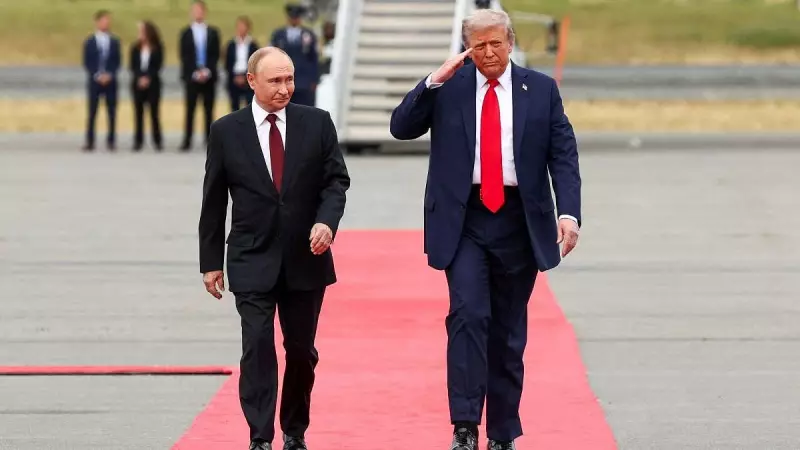
The context heavily involves figures familiar on the world stage. The commentary implicitly references the diplomatic style and approach associated with former US President Donald Trump, known for his background in real estate and a deal-centric worldview. The dynamic between Trump and Russian President Vladimir Putin has long been a subject of intense scrutiny and analysis by foreign policy experts.
The publication date of the analysis itself, in late 2025, places it in a speculative future context, allowing for a critique of ongoing or potential diplomatic strategies. It serves as a warning about the enduring nature of geopolitical challenges and the consistent tactics employed by actors like Putin, regardless of the administration in Washington.
Implications for International Relations
The consequences of this perceived dynamic are profound. If one major power's negotiators are seen as outmatched or easily influenced, it can lead to:
- Asymmetric Outcomes: Agreements that disproportionately favor the more strategically adept party.
- Erosion of Trust: Allies may grow wary of US leadership and decision-making in sensitive areas.
- Empowerment of Adversaries: Figures like Putin may be emboldened to take greater risks, testing weaker perceived resolve.
Ultimately, the article underscores a classic tension in diplomacy: the clash between transactional, short-term deal-making and strategic, long-term statecraft. It warns that in situations involving nuclear powers or existential threats, the stakes are too high for negotiations to be treated as mere business transactions. The need for deep regional knowledge, historical context, and an understanding of multi-layered geopolitical incentives becomes paramount.
This serves as a crucial reminder for any nation, including India, which navigates a complex world stage between major powers. The quality, experience, and strategic vision of diplomatic negotiators are not just administrative details but fundamental pillars of national security and international standing.