Vivek Ramaswamy's Daughter's Name Sparks Online Controversy
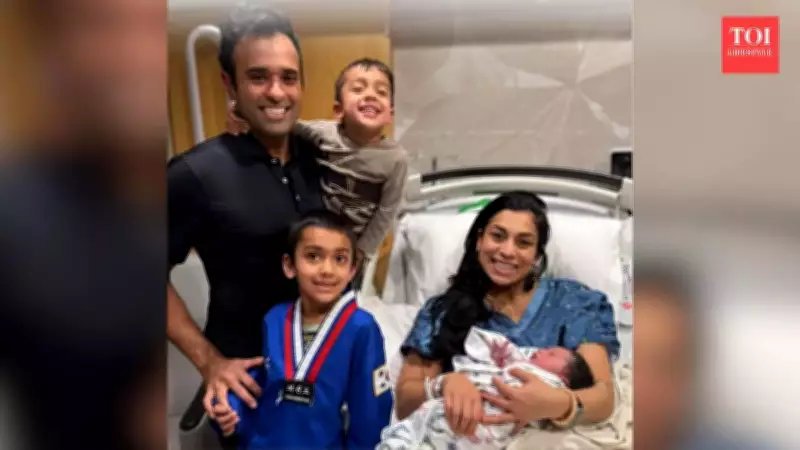
Ohio Republican gubernatorial candidate Vivek Ramaswamy has encountered significant online backlash following the announcement of his third child's birth. The controversy erupted after Ramaswamy shared a celebratory social media post introducing his newborn daughter, named Savithri, alongside a family photograph taken at the hospital.
Family Announcement and Immediate Reactions
Savithri Ramaswamy was born on February 4, 2026, to Vivek and his wife Apoorva. The post featured the couple's two young sons smiling beside their parents as they welcomed their new sister. While numerous responses flooded in with congratulations and well-wishes, a vocal segment of users quickly shifted focus to the baby's name.
Critics questioned the name's "American-ness," labeling it as foreign or challenging to pronounce. This criticism stood in stark contrast to the supportive messages from others who celebrated the family's joyful moment.

Cultural Significance of the Name Savithri
Savithri is a traditional Sanskrit name deeply rooted in Hindu mythology and culture. It carries meanings associated with the Sun and is linked to a revered mythological figure known for wisdom and unwavering devotion. Supporters of Ramaswamy praised the name choice as a meaningful way to preserve cultural heritage and pass family traditions to the next generation.
Many Indian diaspora members and cultural advocates highlighted how such names reflect America's diverse tapestry, arguing that linguistic variety enriches rather than diminishes national identity.
Nature of the Backlash and Counter-Responses
The backlash took on several troubling dimensions:
- Some commenters mocked the name as un-American, accusing Ramaswamy of insufficient assimilation despite his political emphasis on American exceptionalism.
- Others used sarcasm to contrast Savithri with what they deemed more conventional American names.
- A smaller but more hostile subset employed openly xenophobic language, crossing into discriminatory territory.
In response, a robust defense emerged from supporters and community members:
- They pointed out the United States' long history of embracing names from diverse languages, religions, and cultures.
- Many shared personal stories about their own naming traditions, emphasizing cultural pride.
- Critics of the backlash highlighted perceived double standards in how American identity is policed and defined.
Broader Implications for American Identity Politics
This episode underscores persistent tensions in American society concerning immigration, assimilation, and cultural expression. What began as a personal family announcement transformed into a heated public debate over who gets to define what is considered authentically "American."
The controversy reflects deeper societal divides, particularly in the political arena where candidates' personal lives often become flashpoints for larger cultural discussions. It raises questions about inclusivity and the acceptance of multicultural identities in contemporary America.
Current Status and Ramaswamy's Silence
As of now, Vivek Ramaswamy has not directly addressed the criticism surrounding his daughter's name. His original announcement post remains active on social media, continuing to accumulate thousands of congratulatory messages that significantly outnumber the negative comments.
Nevertheless, screenshots and quote posts containing the backlash continue to circulate across various platforms, keeping the discussion alive. This incident serves as a reminder of how quickly personal moments can become politicized in today's digital age, especially for public figures navigating complex cultural landscapes.