The son of Iran's last monarch has publicly thanked the President of the United States for his support to the people of Iran, amidst a growing chorus of voices within the country seeking an end to what he describes as a 'reign of chaos'. Reza Pahlavi, the exiled former crown prince, acknowledged the stance taken by US leader Joe Biden, highlighting a significant moment in the complex geopolitical narrative surrounding Iran.
Gratitude for International Support
In a notable statement, Reza Pahlavi expressed his appreciation for President Joe Biden's consistent support for the Iranian populace. This acknowledgment comes against a backdrop of prolonged domestic unrest and international scrutiny of the Iranian government's policies. Pahlavi's message underscores the importance exiled opposition figures place on Western diplomatic positions, viewing them as crucial moral backing for internal reform movements.
The key moment of thanks was directed specifically at President Biden for 'standing with the Iranian people'. This aligns with the US administration's repeated criticisms of the Tehran regime's human rights record and its handling of widespread protests. The dialogue between diaspora leaders and Western powers continues to shape the external pressure on Iran's establishment.

The Call to End the 'Reign of Chaos'
Central to Pahlavi's recent communications is a scathing critique of the current Iranian government's rule. He characterized the period not merely as one of oppression but as a 'reign of chaos', a phrase meant to encapsulate economic turmoil, social unrest, and political isolation. This terminology is aimed at resonating with both international observers and Iranians suffering from inflation, unemployment, and stringent social controls.
The exiled leader did not limit his comments to criticism. He actively called for a tangible transformation in Iran's governance structure. His vision, shared by several opposition groups, explicitly advocates for the establishment of a secular democracy. This model is presented as the antidote to the current theocratic system, promising greater personal freedoms and civic rights for all Iranians, irrespective of their religious or ethnic backgrounds.
Internal Dissent and the Path Forward
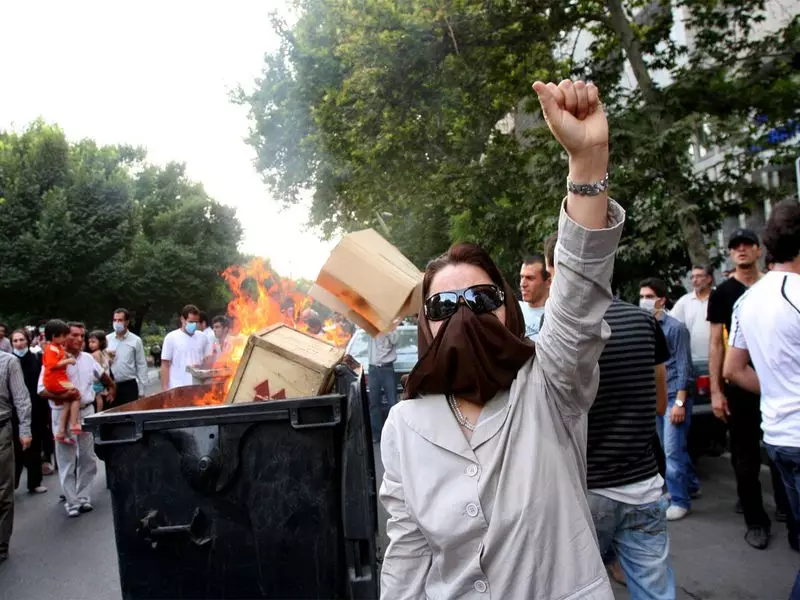
Pahlavi's statements are not made in a vacuum. They echo sentiments reported from within Iran, where public dissatisfaction has manifested in repeated waves of protests. These demonstrations, often led by women and youth, have challenged the regime on issues ranging from mandatory hijab laws to economic mismanagement. The phrase 'reign of chaos' seeks to give a name to this collective experience of disorder and hardship.
The push for a secular democratic system represents a fundamental ideological shift from the Islamic Republic founded in 1979. While Pahlavi is a prominent figure, the opposition landscape is diverse, including republicans, leftists, and other monarchists. The common thread, as highlighted in his message, is the desire to replace the existing order with a government that separates religion from statecraft and guarantees pluralism.
The engagement of US President Joe Biden in this discourse is particularly significant. It signals continued Western interest in Iran's internal affairs and provides a degree of international legitimacy to the opposition's cause. However, the path from dissent to a new political reality remains fraught with challenges, given the regime's firm control over security apparatuses and the fragmented nature of its opponents.
As the situation evolves, the world watches to see how this interplay of internal aspiration and external support will unfold. The thanks offered by Reza Pahlavi to the American president is more than a diplomatic courtesy; it is a reflection of the ongoing struggle for Iran's future, where the ultimate goal for many is to dismantle what they see as a chaotic and oppressive rule and build a new, democratic nation in its place.