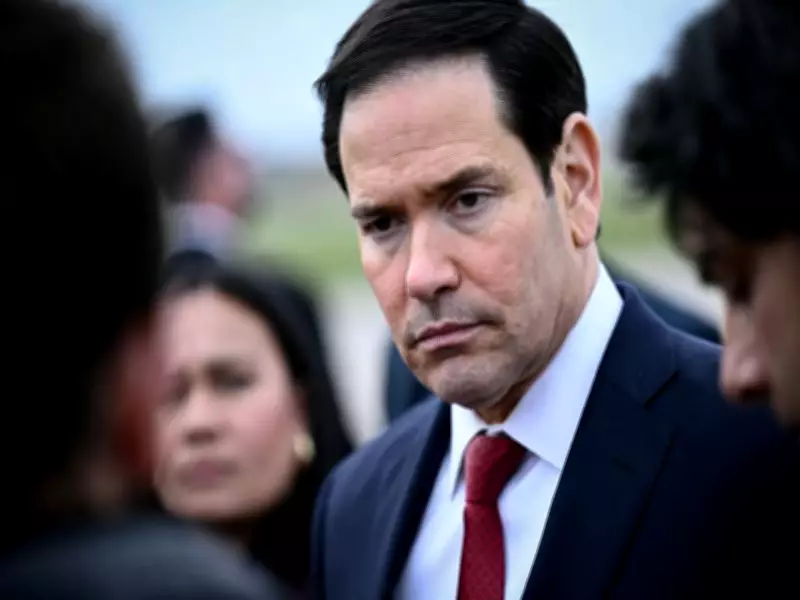
Rubio's Past Warning on NATO Withdrawal Resurfaces Amid Trump's Exit Threats
In a significant development in U.S. foreign policy discourse, Senator Marco Rubio's 2016 warning that no president should withdraw from the North Atlantic Treaty Organization (NATO) without Senate approval has resurfaced amid renewed threats from former President Donald Trump to exit the alliance. This past statement has gained fresh relevance as Trump, a leading figure in the Republican Party, continues to advocate for a potential U.S. withdrawal from NATO, raising concerns about the legal and procedural framework governing such a move.
Historical Context of Rubio's Warning
During the 2016 presidential campaign, Senator Marco Rubio, a Republican from Florida, emphasized the importance of congressional oversight in matters of international alliances. In a statement, he argued that any decision to withdraw from NATO, a cornerstone of U.S. and global security since its establishment in 1949, should require approval from the Senate. This position was rooted in the constitutional principle that treaties, including NATO's founding treaty ratified by the Senate, necessitate congressional involvement for termination. Rubio's warning highlighted the potential for executive overreach if a president acted unilaterally, underscoring the checks and balances inherent in the U.S. political system.
Trump's Renewed Threats and Political Implications
Recently, Donald Trump has reiterated threats to withdraw the United States from NATO, citing concerns over burden-sharing and the alliance's effectiveness. These statements have sparked debate within political circles, with critics warning that such a move could destabilize global security and undermine decades of diplomatic efforts. Trump's position has drawn attention to Rubio's past warning, as it raises questions about whether a president can legally exit NATO without Senate consent. The resurgence of this issue comes at a time of heightened geopolitical tensions, making it a focal point in discussions about U.S. foreign policy and alliance commitments.

Legal and Procedural Considerations
The legal framework surrounding NATO withdrawal is complex and subject to interpretation. Key points include:
- Treaty Obligations: NATO was established through a treaty ratified by the U.S. Senate, implying that withdrawal might require similar congressional approval.
- Executive Authority: Some legal scholars argue that presidents have inherent authority to terminate treaties, but this is debated, especially for alliances with significant security implications.
- Historical Precedents: Past U.S. withdrawals from treaties, such as the Paris Climate Agreement, have involved executive action, but NATO's unique role as a military alliance adds layers of complexity.
Rubio's warning underscores the need for clarity on these procedural aspects, as unilateral withdrawal could lead to constitutional disputes and international repercussions.
Impact on U.S. and Global Security
If the U.S. were to withdraw from NATO, it could have profound effects on global security dynamics. NATO serves as a critical deterrent against aggression, particularly in Europe, and U.S. participation is seen as vital for the alliance's credibility. A withdrawal might:
- Weaken collective defense mechanisms, potentially emboldening adversaries.
- Strain relationships with key allies, affecting diplomatic and economic ties.
- Shift the balance of power in regions like Eastern Europe, where NATO presence is crucial.
Rubio's emphasis on Senate approval reflects concerns about ensuring such decisions are made with broad consensus, rather than through executive fiat.

Current Political Reactions and Future Outlook
In response to Trump's threats, political figures from both parties have weighed in, with many echoing Rubio's call for congressional involvement. Democrats and some Republicans have expressed opposition to a unilateral withdrawal, citing national security risks. The debate is likely to intensify as the 2024 presidential election approaches, with NATO's future becoming a key issue in foreign policy platforms. Rubio's past warning serves as a reminder of the ongoing tension between executive power and legislative oversight in U.S. governance.
As this story develops, it highlights the enduring relevance of institutional checks in safeguarding international commitments. The resurgence of Rubio's statement amid Trump's exit threats underscores the importance of procedural integrity in decisions that could reshape global alliances.