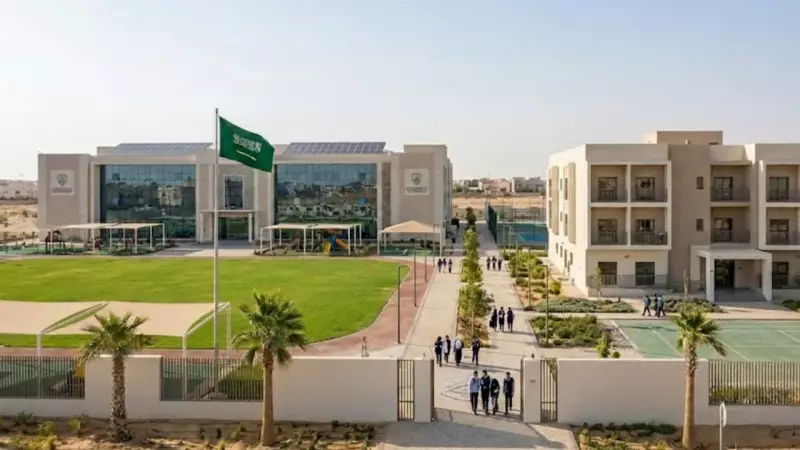
In a major push to upgrade its private education sector, Saudi Arabia has rolled out a comprehensive set of new infrastructure regulations. The Ministry of Municipalities and Housing announced updated municipal requirements that establish clear standards for the construction and planning of private educational institutions across the kingdom.
New Framework for Educational Buildings
The updated rules apply to a broad spectrum of private educational facilities. This includes nurseries, kindergartens, schools, and large-scale educational complexes. A significant and notable change is the permission for residential facilities for students within school campuses. However, these residential buildings must be constructed separately from the main academic block.
The regulations are designed to govern not just the buildings themselves but also their immediate surroundings. The goal is to ensure these spaces are safe, well-integrated into urban plans, and functionally optimal for learning. The rules cover buildings on land specifically zoned for education, government-leased land, and even commercial plots used for private schooling.

Detailed Planning and Safety Standards
The ministry has laid out specific architectural and site planning requirements that institutions must follow. For instance, school buildings must be accessible from two streets, with at least one of those streets being a minimum of 25 meters wide. The number of floors must comply with the national building code, with mandatory setbacks observed.
For nurseries, the rules are slightly different. They can be situated on a single street, provided that street is at least 15 meters wide and the nursery operates from a standalone building. These measures are intended to seamlessly integrate educational institutions into the urban fabric while ensuring safety and easy access.
Ensuring Adequate Space for Students
To promote a comfortable and uncrowded learning atmosphere, the ministry has defined minimum land area requirements per student, which vary by region. For kindergartens, the mandate is at least four square metres of land per student. This requirement scales up for higher educational stages, reaching five square metres per student in larger educational complexes.
This move is part of a broader initiative by Saudi authorities to enhance the quality, safety, and urban planning coherence of private educational facilities. By setting these clear guidelines, the ministry aims to optimize land use and foster secure, integrated environments that are conducive to student development and learning.