Senate Hearing Explodes With Allegations of Minnesota Fraud and Soros 'Dark Money' Network
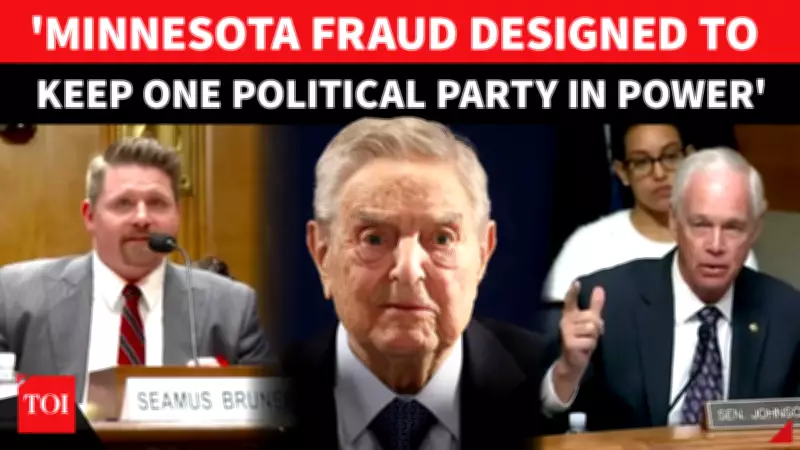
A recent Senate hearing descended into chaos and controversy as explosive testimony was presented, alleging widespread fraud within state and federal programs, with a particular focus on Minnesota. The proceedings, led by Senator Josh Hawley, took a dramatic turn when references were made to billionaire donor George Soros, raising serious questions about the influence of dark money networks and potential partisan control over political processes.
Josh Hawley's Startling Fraud Allegations
At the heart of the heated hearing were detailed claims presented by Senator Josh Hawley, who pointed to specific witness testimony centered on Minnesota. Hawley alleged that fraudulent activities have been systematically occurring across various state and federal assistance programs, suggesting a pattern of abuse that requires immediate and thorough investigation. The testimony presented painted a picture of significant financial mismanagement and potential criminal exploitation of public funds.
The George Soros Connection and Dark Money Concerns
Perhaps the most controversial aspect of the hearing emerged when discussions turned to billionaire philanthropist George Soros. References to Soros's political donations and funding networks sparked intense debate about the role of dark money in American politics. Hawley and other participants raised concerns that such financial networks could be undermining democratic processes and creating avenues for partisan control that bypass traditional oversight mechanisms.

Broader Implications for Government Oversight
The claims presented at the Senate hearing have significantly intensified national debates surrounding several critical issues:
- Transparency in political funding and the need for clearer disclosure requirements
- The effectiveness of current government oversight mechanisms for detecting and preventing fraud
- Concerns about partisan influence over administrative processes and program implementation
- The role of wealthy donors in shaping political landscapes and policy outcomes
These developments come at a time when public trust in government institutions is already under strain, making the allegations particularly significant for ongoing discussions about democratic integrity and accountability.
Political Fallout and Next Steps
The Senate hearing has created immediate political repercussions, with calls for further investigation into both the Minnesota fraud allegations and the broader questions about dark money networks. Lawmakers from both sides of the aisle have acknowledged the seriousness of the claims while offering differing perspectives on their validity and implications.
As the debate continues to unfold, attention is turning to what concrete actions might follow the explosive testimony. Potential outcomes include:
- Formal investigations into the specific fraud allegations in Minnesota programs
- Legislative proposals to increase transparency in political donations
- Enhanced oversight mechanisms for federal and state assistance programs
- Broader examinations of how wealthy donors influence political processes
The hearing has undoubtedly injected new urgency into longstanding conversations about money in politics, government accountability, and the integrity of public assistance programs.