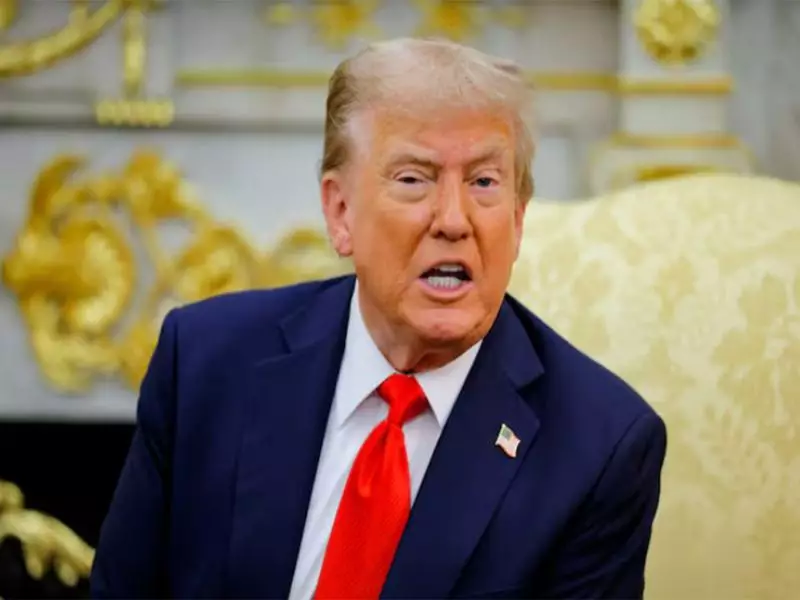
The United States Senate has taken crucial steps toward ending the longest government shutdown in American history, with leaders from both major parties announcing a breakthrough agreement that would temporarily reopen shuttered federal agencies.
Bipartisan Breakthrough After 35 Days
Senate Majority Leader Mitch McConnell, a Republican from Kentucky, and Minority Leader Chuck Schumer, a Democrat from New York, revealed their plan to end the 35-day partial government shutdown that has affected approximately 800,000 federal workers. The agreement came after intense negotiations and growing pressure from both sides of the political aisle.
The proposed legislation would fund reopened government agencies through February 15, providing a three-week window for Congress to negotiate a broader homeland security spending package that addresses border security concerns. This temporary solution marks a significant development in the political standoff that has dominated Washington since December 22, 2018.

Trump's Border Wall Demands and Compromise
The shutdown originated from President Donald Trump's insistence on including $5.7 billion for construction of a wall along the US-Mexico border in spending legislation. Democrats had repeatedly rejected this demand, leading to the funding impasse that triggered the partial government closure.
While the temporary deal doesn't include the wall funding President Trump initially demanded, it does provide an opportunity for further negotiations on border security measures. The agreement represents a compromise that allows both sides to claim partial victories while ending the hardship faced by federal employees who have either been working without pay or furloughed.
President Trump is expected to announce his support for the deal, according to multiple sources familiar with the negotiations. This endorsement is crucial for the legislation to move forward without presidential opposition.
Impact on Federal Workers and Services
The 35-day shutdown has created significant financial strain for federal workers across the United States. Many have missed two consecutive paychecks, forcing them to seek temporary employment, rely on food banks, or delay essential payments like mortgages and medical bills.
Several government agencies have experienced operational challenges, including the Transportation Security Administration, where increased employee absences raised concerns about airport security. National parks have suffered from maintenance neglect and sanitation issues, while economic data releases from various departments have been delayed, affecting market analysts and policymakers.
The deal would ensure that all affected federal workers receive back pay once funding is restored. However, contractors who provide services to government agencies may not receive compensation for the shutdown period, creating additional economic ripple effects.
As the Senate moves forward with the agreement, attention now turns to the House of Representatives, where swift approval is expected. The temporary nature of the solution means that the threat of another shutdown looms if Congress cannot reach a broader border security agreement by the February 15 deadline.