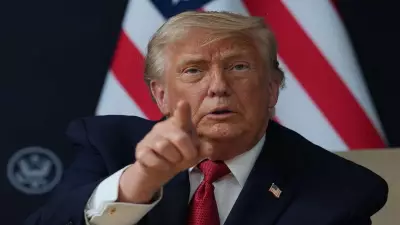
British Prime Minister Keir Starmer has made it clear that the United Kingdom will not succumb to pressure from former US President Donald Trump concerning Greenland. In a statement on Monday, Starmer emphasized the need for "calm discussion" on the matter, signaling a diplomatic approach to avoid further escalation in transatlantic relations.
Starmer's Firm Stance Against Trump's Demands
Starmer's comments come in response to Trump's recent threats to impose tariffs on Britain and other European nations unless he is allowed to purchase Greenland. The former president's unconventional proposal has sparked international concern, with many viewing it as an attempt to leverage economic pressure for territorial gains.
Avoiding Trade War Escalation
In his address, Starmer indicated that he does not wish to escalate a trade war with the United States. He highlighted the importance of maintaining stable economic ties between the UK and its allies, while firmly rejecting any coercive tactics. "We believe in resolving disputes through dialogue, not through threats or tariffs," Starmer stated, underscoring his commitment to peaceful diplomacy.

Historical Context and International Reactions
Greenland, an autonomous territory within the Kingdom of Denmark, has long been a subject of geopolitical interest due to its strategic location and natural resources. Trump's interest in acquiring the island dates back to his presidency, but it has resurfaced recently, causing ripples across European capitals. Starmer's response aligns with broader European concerns about sovereignty and international law.
Analysts suggest that Starmer's calm yet firm approach may help de-escalate tensions, as the UK navigates its post-Brexit relationships. The Prime Minister's stance is seen as a balancing act between upholding British interests and preserving crucial alliances with both the US and European partners.
As the situation develops, observers will be watching closely to see how Trump's administration responds to Starmer's rejection of pressure tactics. The outcome could have significant implications for global trade dynamics and diplomatic norms in the coming years.