Texas Conservative Activist Stirs Controversy Over Hanuman Statue
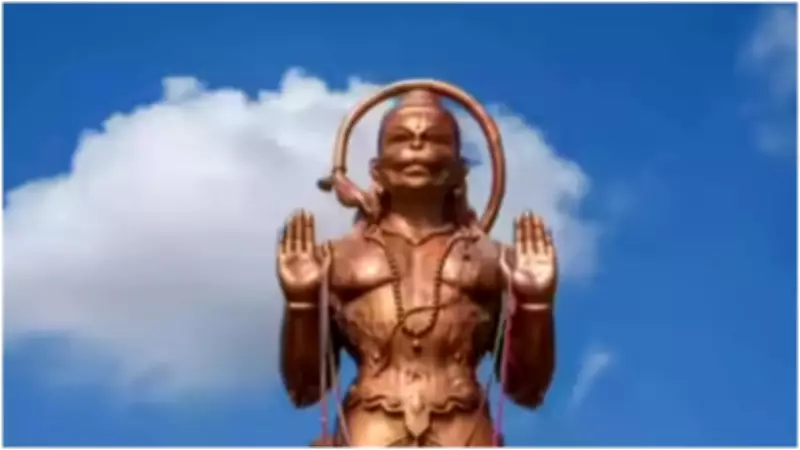
A conservative activist based in Texas has ignited a heated debate after sharing a video of a 90-foot-tall "Statue of Union" depicting Lord Hanuman, located at the Shri Ashtalakshmi Temple in Sugar Land, Texas. Carlos Turcios, a Republican activist from the Dallas–Fort Worth region, posted the video on social media platform X, accompanied by inflammatory remarks claiming that "third World Aliens are slowly taking over Texas and America." In his post, he explicitly urged to "stop the invasion," sparking widespread reactions across the platform.
Mixed Reactions: Support and Criticism Erupt Online
Turcios's comments quickly drew polarized responses from users. Some anti-immigration supporters rallied behind his message, with one user advocating to "stop the invasion and deport them all," while another expressed disgust, stating, "Disgusting. Get rid of it as soon as possible. What is wrong with Texas? Gotta be money." On the other hand, critics condemned the post as racist and misleading. One critic pointed out the hypocrisy, noting, "Wasn't Charlie Kirk saying about Secularism being a western and Christian value? Besides there are way more churches and Jesus statues in India than there are Hindu temples and statues in the USA." This backlash highlights the ongoing tensions surrounding immigration and cultural diversity in the United States.
Background on the Statue and Previous Controversies
The Panchaloha Abhaya Hanuman statue, inaugurated in August 2024, stands as the tallest of its kind in North America, symbolizing strength, devotion, and serving as a "spiritual epicenter" for peace. Despite its religious significance, it has become a focal point in Turcios's broader anti-immigration rhetoric. Previously, Turcios has made similar claims, criticizing the influx of "third world aliens" entering the U.S. through H-1B visas and alleging that areas like Frisco have been "invaded." These statements reflect a pattern of targeting immigrant communities and religious symbols, fueling debates on nationalism and inclusion in American society.

The controversy underscores deeper issues of xenophobia and cultural acceptance, as the statue represents not only a religious landmark but also the growing diversity within Texas. As discussions continue, the incident serves as a reminder of the challenges in balancing free speech with respectful discourse in a multicultural nation.