Texas Governor Abbott Implements One-Year Ban on H-1B Visa Hiring in State Institutions
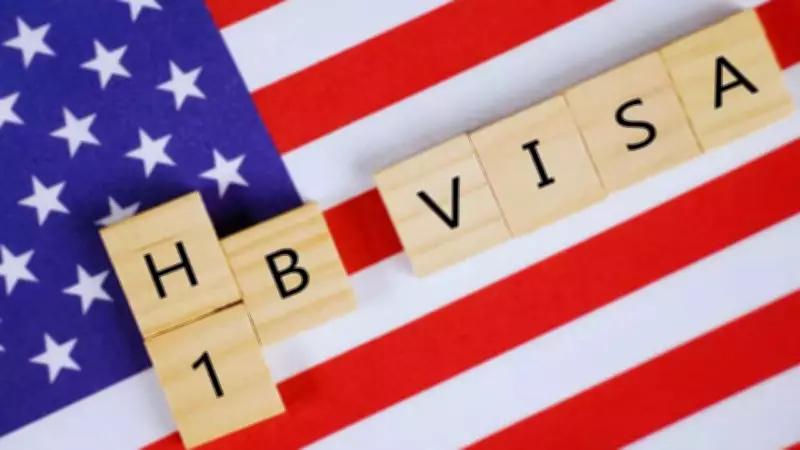
In a significant move, Texas Governor Greg Abbott has announced a one-year freeze on the hiring of H-1B visa holders across all state agencies and higher education institutions. This decision comes amid growing concerns over the impact of the federal visa program on local employment opportunities and potential misuse within public sectors.
Addressing Federal-State Complexities and Alleged Fraud
Governor Abbott highlighted the complicated nature of the H-1B visa system, noting that while it is a federal program primarily utilized by private employers, its reach has extended into public entities like schools and universities in Texas. He expressed frustration over reports of H-1B holders being employed in these public institutions, prompting state-level action to halt such practices temporarily.
The governor emphasized that this freeze is intended to ensure taxpayer dollars are not used to sponsor visas for foreign workers when qualified Texans are available for the same roles. "We have Texans who could be performing these jobs," Abbott stated, underscoring his commitment to prioritizing local employment.

Investigative Measures and Legislative Plans
Abbott revealed that the alleged H-1B fraud in Texas necessitates a thorough investigation. To facilitate this, interim hearings by the legislature are planned before the next session begins. These hearings aim to uncover the extent of the issue and gather insights for future policy-making.
"When we do get into the session, we will be able to provide a more precise piece of legislation to make sure that we curtail the use of H-1B visas in state government hiring," Abbott explained. This approach indicates a strategic effort to refine state laws in response to federal program loopholes.
Balancing Benefits and Drawbacks of H-1B Visas
When questioned about the overall merit of H-1B visas, Abbott presented a nuanced perspective. He acknowledged instances where the program has been beneficial, such as with Elon Musk, who entered the U.S. on an H-1B visa and contributed significantly to innovation. "That was a good investment to have him come here," Abbott noted.
However, he also pointed out serious problems associated with the visa, particularly in universities. Abbott cited examples where Chinese H-1B holders allegedly obtained intellectual property information, raising security concerns. "Oftentimes, H-1Bs are taking the jobs that Texas could have," he said, describing the program as having devolved into a "chaotic process" that displaces local workers.
Context and Broader Implications
This move aligns with broader national debates on immigration and employment. Abbott referenced former President Donald Trump's proposal for a $100,000 visa fee as a "curtailment" measure, suggesting a trend toward stricter visa regulations. The Texas freeze is seen as a proactive step by the state to assert control over hiring practices within its jurisdiction, despite the federal oversight of H-1B visas.
As the investigation unfolds and legislative sessions approach, stakeholders will be watching closely to see how Texas shapes its policies to balance economic growth with job protection for its residents.