Texas School Removes Ramadan Display Citing Neutrality Rules, Sparks Debate
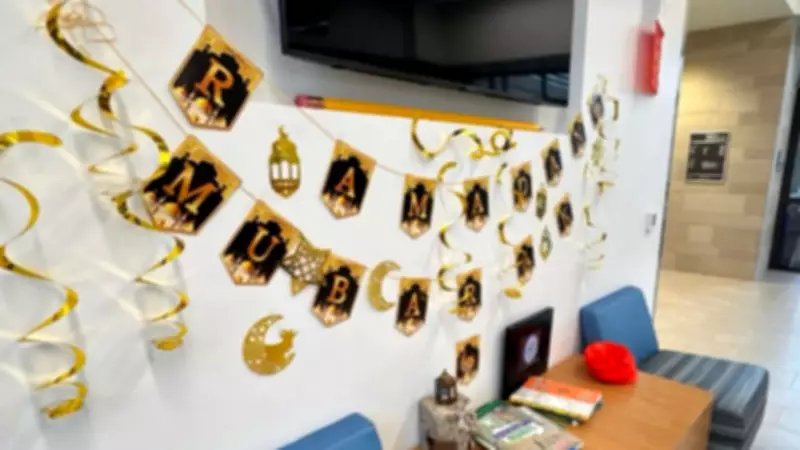
A Ramadan display at a Texas elementary school was taken down on Monday after district authorities determined it violated established rules requiring schools to maintain neutrality regarding politics and religion. The decision has ignited a broader conversation about the place of religious symbols in public educational institutions.
District Cites Policy on Religious Neutrality
The school district explicitly directed campus leaders to remove the display because it was deemed religious in nature, as confirmed in a statement provided to the Houston Chronicle. This action followed a formal complaint lodged by a parent at Bunker Hill Elementary School, prompting administrative review and subsequent removal.
Display Organized by Cultural Awareness Committee
The decorations were organized and installed by the Parent Teacher Association's cultural awareness committee, chaired by Casey Kaf Alghazal. She emphasized that the school had previously displayed Ramadan decorations in past years without incident, making this removal particularly noteworthy. The committee has a history of putting up decorations for various cultural and religious observances, including Hanukkah, Christmas, and Easter.

Kaf Alghazal expressed that the removal felt politically motivated, noting she had even offered to provide a nativity scene during Christmas celebrations, but no one accepted the proposal. "My kid felt seen. That's all it was supposed to be — for every kid to feel seen," she stated, highlighting the inclusive intent behind the display.
Conservative Group Highlights Display on Social Media
The Harris County chapter of Moms for Liberty, a conservative organization focused on parental rights, posted photographs of the Ramadan display online last week. The Instagram post featured images showing a "Ramadan Mubarak" sign alongside crescent moons, stars, and lanterns—symbols widely recognized as associated with Islam.
On social media, the group argued that while secular symbols like Christmas trees and Easter bunnies are permissible, explicitly religious symbols such as crosses or crescent moons should not be promoted in public schools under U.S. law. "You cannot promote any particular religion IN A PUBLIC SCHOOL. This is per US LAW," they wrote.
Allegations of Anti-Muslim Bias and Broader Implications
Kaf Alghazal suggested the removal reflected an anti-Muslim bias, pointing out that other religious symbols, such as the Star of David and Menorah, had remained on display in the past without issue. In response to the Ramadan display's removal, the PTA also took down Easter decorations to maintain fairness, which Kaf Alghazal lamented by saying, "So, all the kids are now suffering because of this."
This incident occurs amid ongoing debates in Texas concerning religion in public schools, including controversies over rules that exclude some Islamic schools from participating in the state's private school voucher program. Conservative commentator Amy Mek praised the removal on social media, framing it as a victory for parental rights and stating, "Texas stays strong, unapologetic, and Sharia-free. We're winning! Keep fighting, Patriots!"
Broader Context and National Relevance
The removal of the Ramadan display underscores the complex and often contentious balance between religious expression and neutrality in American public education. It reflects broader national discussions about cultural awareness, inclusivity, and the interpretation of laws governing religion in schools.
As communities across the United States navigate these issues, incidents like this highlight the challenges schools face in fostering environments where all students feel represented while adhering to legal and policy frameworks designed to separate church and state.