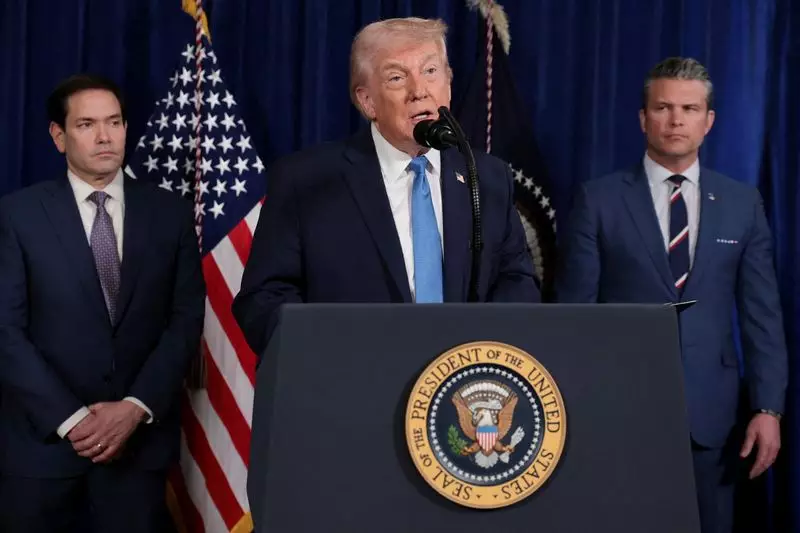
The administration of former US President Donald Trump has initiated a significant diplomatic and economic maneuver, scheduling high-level meetings with leading American oil corporations. The agenda focuses squarely on the future of Venezuela's crucial oil industry and the complex web of sanctions currently crippling its output.
Strategic Discussions on Sanctions Relief
According to sources familiar with the plans, officials from the State Department and the National Security Council are set to engage with executives from companies including Chevron Corp, Halliburton, and Schlumberger NV. The central topic is the possibility of providing sanctions relief to Venezuela's state-owned oil company, PDVSA. This move is not unconditional; it is explicitly tied to a clear political transition in the South American nation.
The US objective is to create a framework where Venezuelan oil revenues can be redirected away from the government of President Nicolas Maduro. Instead, funds would support an interim administration led by opposition figure Juan Guaido, whom the United States and dozens of other nations recognize as Venezuela's legitimate leader. The discussions underscore a strategy of using economic leverage to foster political change.

Corporate Interests and Geopolitical Calculus
For the involved US oil service companies and producers, the meetings represent a critical opportunity. They have billions of dollars in assets and outstanding payments stranded in Venezuela due to the sweeping sanctions imposed in early 2019. A carefully managed sanctions waiver could allow them to recoup some losses and resume limited operations, while simultaneously boosting global oil supplies at a time of market volatility.
However, the administration's proposal is fraught with conditions and internal debate. Key officials, including Secretary of State Mike Pompeo and National Security Adviser Robert O'Brien, have supported the idea of engaging with the companies to outline a potential path forward. Yet, a faction within the administration remains wary, concerned that any relief could inadvertently bolster the Maduro regime without guaranteeing a political shift.
The proposed model appears to draw inspiration from a now-expired United Nations oil-for-food program. The goal would be to establish a transparent, internationally managed mechanism for oil sales, ensuring profits benefit the Venezuelan people through Guaido's government and humanitarian aid, not the Maduro leadership.
Implications for Global Oil and Venezuela's Future
The outcome of these talks carries weight far beyond corporate boardrooms. Venezuela sits on the world's largest proven oil reserves, but its production has collapsed to historic lows under mismanagement and US sanctions. A controlled reopening of its oil sector could:
- Provide a new source of revenue for humanitarian needs and debt restructuring.
- Offer US companies a strategic foothold in a resource-rich country.
- Alter global oil market dynamics by gradually reintroducing Venezuelan crude.
Critics argue that engaging with Maduro's Venezuela, even through a third-party model, legitimizes his authoritarian rule. Proponents counter that a pragmatic, conditions-based approach is the only way to break the political deadlock and address the profound humanitarian crisis. As these pivotal meetings unfold, they signal a potential, albeit cautious, shift in US tactics toward one of the most challenging geopolitical dilemmas in the Western Hemisphere.