Trump Intensifies Political Feud by Blaming Obama and Biden for Iran Nuclear Threat
In a sharp escalation of political rhetoric, former US President Donald Trump has publicly blamed his predecessors, Barack Obama and current President Joe Biden, for the ongoing nuclear threat posed by Iran. This accusation comes amid heightened tensions in the Middle East and as the United States gears up for another contentious election cycle, with Trump positioning himself as a key figure in the opposition.
Trump's Direct Accusations Against Obama and Biden
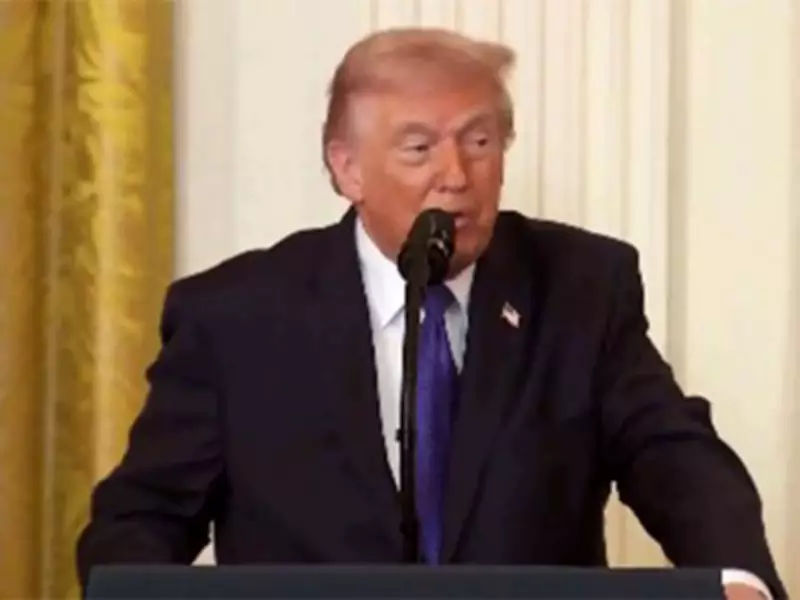
During a recent public address, Trump specifically targeted Barack Hussein Obama and "Sleepy Joe" Biden, using derogatory nicknames that have become staples of his political discourse. He asserted that their policies during their respective administrations directly contributed to Iran's advancement in nuclear capabilities, undermining US national security interests. Trump claimed that the nuclear deal negotiated under Obama, known as the Joint Comprehensive Plan of Action (JCPOA), was a "disastrous agreement" that emboldened Iran, while Biden's attempts to re-engage with Tehran have only exacerbated the situation.
Key points from Trump's statements include:

- Obama's Legacy: Trump argued that the JCPOA, signed in 2015, provided Iran with financial relief and legitimacy, enabling it to pursue nuclear ambitions more aggressively. He highlighted that this deal was a cornerstone of Obama's foreign policy, which he has consistently criticized as weak and ineffective.
- Biden's Policies: Trump accused Biden of reversing the hardline stance taken during his own presidency, including the withdrawal from the JCPOA in 2018. He suggested that Biden's efforts to revive diplomatic talks with Iran have sent mixed signals, potentially encouraging further nuclear development.
- National Security Concerns: Emphasizing the gravity of the threat, Trump warned that Iran's nuclear program poses a direct risk to US allies in the region, such as Israel, and to global stability. He framed this as a failure of leadership by both Democratic presidents.
Context and Implications of the Accusations
This latest outburst from Trump is not an isolated incident but part of a broader pattern of political blame-shifting as he seeks to influence public opinion ahead of upcoming elections. By targeting Obama and Biden, Trump aims to rally his base and position himself as a strong alternative on foreign policy issues. The timing is significant, with ongoing negotiations over Iran's nuclear program and domestic political debates heating up in the US.
Broader implications include:
- Political Polarization: Trump's comments are likely to deepen divisions within US politics, with supporters echoing his critiques and opponents dismissing them as partisan attacks. This could impact bipartisan efforts to address Iran's nuclear threat effectively.
- Foreign Policy Debates: The accusations bring renewed attention to US-Iran relations, sparking discussions about the best approach to curb nuclear proliferation. Experts note that while the JCPOA had its flaws, outright hostility may not yield better results.
- Election Dynamics: As Trump remains a dominant figure in the Republican Party, his statements could shape the foreign policy platforms of candidates in future elections, emphasizing a hawkish stance toward Iran.
In summary, Trump's blame game over Iran's nuclear threat highlights the enduring political feud between key US figures and underscores the complexities of managing international security challenges. As the situation evolves, these accusations are set to fuel further debate and scrutiny in both domestic and global arenas.