President Donald Trump has abruptly called off the ceasefire with Iran, declaring he "won't deal with sick people" and accusing Tehran of violating the terms of the agreement. The decision, announced on July 8, 2026, effectively scuttles the fragile truce that had been brokered just last month, plunging the region back into uncertainty.
Ceasefire Collapse and Immediate Fallout
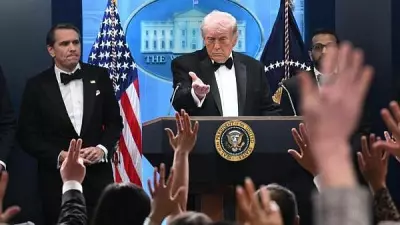
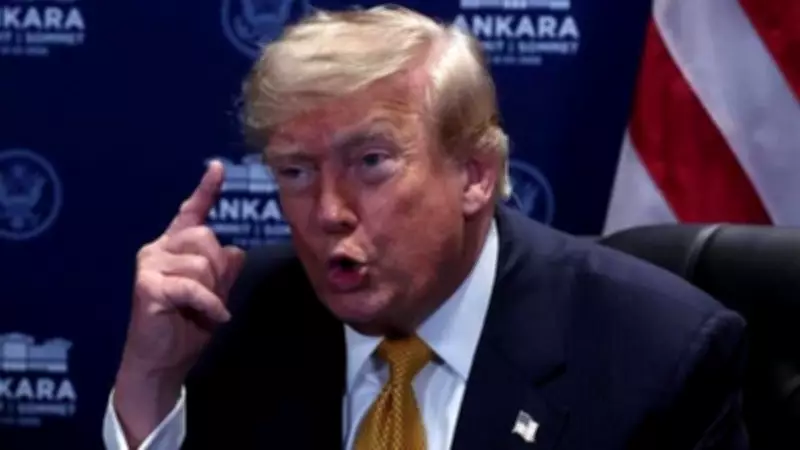
The renewed hostilities dealt another blow to efforts to transform the ceasefire framework reached in June 2026 into a lasting peace agreement. According to a statement from the White House, Trump cited repeated Iranian violations, including support for proxy militias and failure to halt nuclear enrichment activities, as reasons for terminating the deal. "We won't deal with sick people who can't keep their word," Trump told reporters during a press briefing. The president emphasized that the United States would not tolerate further provocations and reserved the right to respond militarily if necessary.
International Reactions and Diplomatic Ramifications
The announcement drew sharp reactions from allies and adversaries alike. NATO officials expressed deep concern, warning that the collapse of the ceasefire could destabilize the Middle East and undermine global security. European Union foreign policy chief Josep Borrell urged restraint, stating that diplomacy remains the only viable path forward. Meanwhile, Iranian Foreign Ministry spokesman Nasser Kanaani condemned Trump's decision as "reckless and illegal," accusing the US of sabotaging peace efforts. The United Nations called for an emergency Security Council meeting to address the escalating tensions.

Strategic Implications for the Region
The breakdown of the ceasefire raises the risk of renewed military confrontations in the Persian Gulf and beyond. US naval forces in the region have been placed on heightened alert, and defense officials confirmed that additional assets, including aircraft carrier strike groups, are being deployed to the area. The move also complicates ongoing negotiations over Iran's nuclear program, which had shown tentative signs of progress under the ceasefire framework. Analysts warn that the collapse could embolden hardliners in Tehran and trigger a new cycle of violence, potentially drawing in regional proxies in Iraq, Yemen, and Syria.
Domestic and Political Context
Domestically, Trump's decision is likely to reignite debate over his administration's Iran policy. Critics, including Democratic lawmakers, argue that the unilateral withdrawal from the ceasefire undermines US credibility and isolates Washington from its allies. Senator Chris Murphy (D-CT) called the move "a dangerous and unnecessary escalation." However, Republican supporters praised Trump for taking a tough stance against what they describe as Iranian aggression. The timing of the announcement, just months before the midterm elections, suggests the issue could become a key campaign talking point.
Looking Ahead: Potential Scenarios
With the ceasefire in tatters, the immediate focus shifts to preventing a full-scale conflict. Diplomatic channels remain open, but both sides have signaled a willingness to escalate. Iran has threatened to resume advanced uranium enrichment if economic sanctions are not lifted, while the US has warned of "decisive military action" against any attacks on American personnel or assets. The coming days will be critical in determining whether the situation spirals into open war or whether backchannel negotiations can salvage some form of de-escalation.