

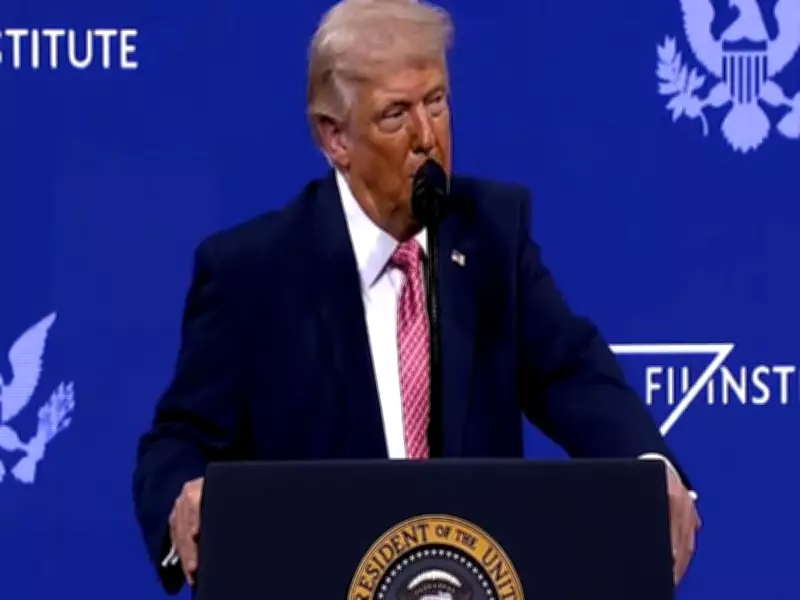
Trump Criticizes NATO Allies Over Lack of Support in Potential Iran Conflict
Former United States President Donald Trump has launched a sharp critique against NATO member nations, accusing them of failing to provide adequate support in the event of a potential conflict with Iran. In recent remarks, Trump emphasized the principle of mutual defense, questioning why the US should stand by allies who do not reciprocate in times of need.
Questioning Mutual Defense Commitments
Trump's comments highlight ongoing tensions within the NATO alliance, particularly regarding burden-sharing and collective security. He pointedly asked, "Why would we be there for them if they're not there for us?" This rhetoric underscores his long-standing stance that European allies must contribute more to defense spending and operational support.
The former president's remarks come amid heightened geopolitical tensions in the Middle East, where Iran's nuclear program and regional activities have been a persistent concern for US policymakers. Trump suggested that NATO's lack of preparedness or willingness to engage in a conflict with Iran could undermine the alliance's credibility and effectiveness.

Implications for US-NATO Relations
This criticism reflects broader debates about NATO's role and the US's commitment to the alliance, which Trump has previously threatened to reconsider. His administration often pressured allies to meet the 2% of GDP defense spending target, arguing that the US bears a disproportionate share of the burden.
Experts note that such statements could strain diplomatic relations and impact NATO's cohesion, especially as the alliance faces challenges from Russia and other global threats. The lack of specific details on what support Trump expected in an Iran scenario leaves room for interpretation, but his message is clear: he demands more equitable contributions from partners.
Context and Reactions
Trump's comments are part of a larger pattern of skepticism toward international alliances, which he has framed as costly for American interests. While in office, he withdrew from several agreements and often criticized multilateral organizations, including NATO.
Reactions from NATO officials and member states have been mixed, with some defending the alliance's contributions and others acknowledging the need for increased defense investments. The debate over NATO's support in potential conflicts continues to be a contentious issue in US foreign policy discussions.
As geopolitical dynamics evolve, Trump's remarks serve as a reminder of the ongoing challenges in maintaining strong international partnerships and the importance of shared responsibilities in global security efforts.






