

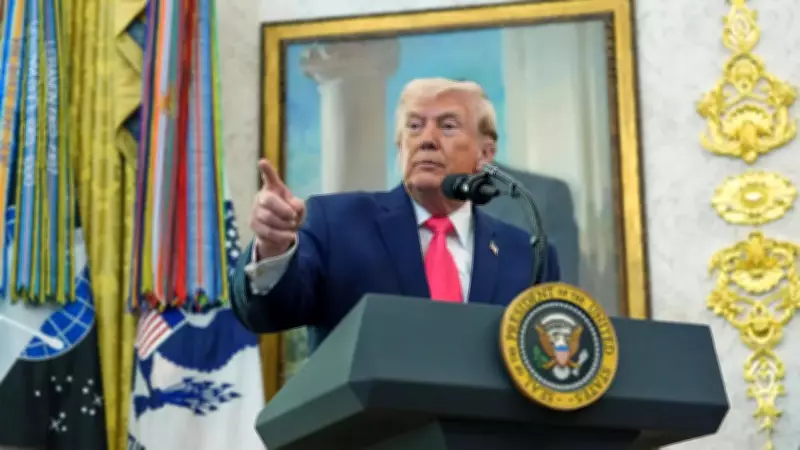
Trump Delays Iran Energy Infrastructure Strikes by 10 Days Following Tehran Request
US President Donald Trump has announced a significant extension to his deadline for potential military strikes against Iran's energy infrastructure, pushing it back by 10 additional days. The new deadline is now set for Monday, April 6, 2026, at 8 pm Eastern Time. In a statement posted on Truth Social, Trump explicitly attributed this pause to a direct request from the Iranian government.
"As per Iranian Government request, please let this statement serve to represent that I am pausing the period of Energy Plant destruction by 10 Days to Monday, April 6, 2026, at 8pm, Eastern Time," Trump declared in his social media post.
Positive Negotiation Momentum Despite Media Reports
The President emphasized that diplomatic talks between the United States and Iran are progressing favorably, contradicting what he characterized as misleading reports from mainstream media outlets. "Talks are ongoing and, despite erroneous statements to the contrary by the Fake News Media, and others, they are going very well," Trump asserted, signaling potential diplomatic breakthroughs.

This extension represents the latest in a series of deadline postponements that began with an initial 48-hour ultimatum demanding Iran reopen the strategically vital Strait of Hormuz. The original threat warned of attacks on Iranian power facilities if Tehran failed to comply with US demands regarding the crucial maritime passageway.
Diplomatic Backchannel Activity Intensifies
US envoy Steve Witkoff has revealed substantial diplomatic activity behind the scenes, noting "strong signs" that Iran might be receptive to serious negotiations. Washington has reportedly transmitted a comprehensive 15-point proposal to Iranian authorities through intermediaries based in Pakistan, with Witkoff describing this development as a potential turning point in the tense standoff.
According to diplomatic sources, Iran has already responded to the American proposal through backchannel communications and is currently awaiting Washington's reply to their counter-proposals. The Iranian response, as reported by Iran's Tasnim News Agency, includes several significant demands that extend beyond the original US framework:
- Complete cessation of US and Israeli military strikes against Iranian targets
- Financial reparations for damages incurred during recent conflicts
- Formal recognition of Iran's sovereign authority over the Strait of Hormuz
Trump's Mixed Messaging: Threats and Optimism
During a White House briefing, President Trump presented a complex blend of military threats and diplomatic optimism. He suggested that Iran's willingness to negotiate emerged primarily after facing substantial military pressure from the United States and its allies. The President also floated the possibility of the US taking control of Iran's valuable oil resources, drawing parallels to previous American actions in Venezuela.
"They want a deal, but only after we showed them we mean business with our military capabilities," Trump stated, highlighting his administration's dual approach of combining diplomatic outreach with continued military posturing.
Regional Military Strain and Strategic Concerns
Meanwhile, the broader Middle East conflict continues to strain regional military capacities. Israeli opposition leader Yair Lapid has issued warnings about Israel's stretched military resources, criticizing the government for engaging in a multi-front conflict without adequate planning or resource allocation.
Israeli military spokesperson Effie Defrin has echoed these concerns, specifically highlighting the need for additional troop deployments along the Lebanese border as military operations expand across multiple theaters. These developments underscore the complex regional dynamics surrounding the US-Iran negotiations and the potential for broader conflict escalation.

The extended deadline provides a crucial window for diplomatic efforts to potentially de-escalate tensions that have threatened regional stability and global energy markets. All parties now await further developments as the new April 6 deadline approaches, with the international community closely monitoring whether negotiations can produce substantive agreements or whether military confrontation might resume.





