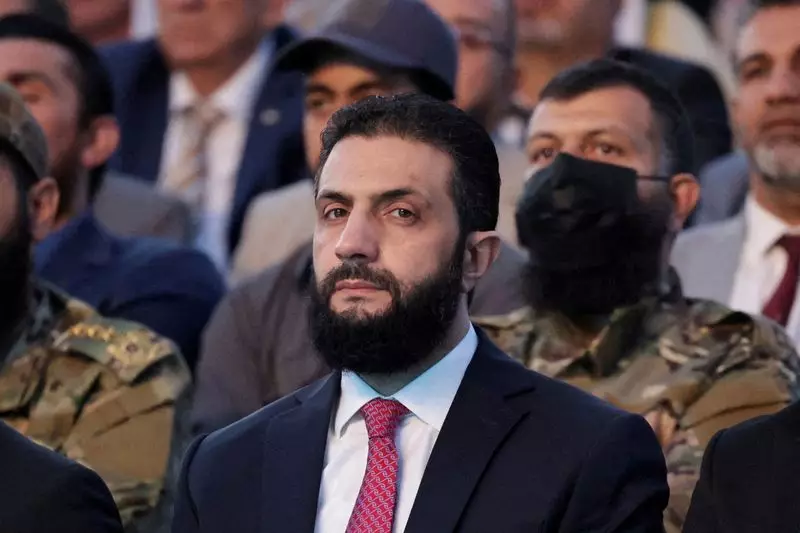
In an unprecedented diplomatic development that could reshape Middle Eastern politics, President Donald Trump is set to host Syrian Deputy Prime Minister Walid al-Moallem at the White House today. This landmark meeting marks the first high-level engagement between the United States and Syria in years, signaling a potential thaw in relations between the two nations.
Historic Encounter at 1600 Pennsylvania Avenue
The scheduled meeting represents a significant departure from recent US policy toward Syria. Walid al-Moallem, who also serves as Syria's Foreign Minister, will become the highest-ranking Syrian official to visit the White House in over a decade. The encounter comes amid shifting geopolitical dynamics in the Middle East and could potentially open new channels for dialogue between Washington and Damascus.
This diplomatic breakthrough follows months of behind-the-scenes negotiations and confidence-building measures. The Trump administration has been carefully monitoring developments in Syria, particularly regarding regional stability and counterterrorism efforts. This meeting suggests the White House is exploring alternative approaches to addressing the complex Syrian situation.

Timing and Strategic Implications
The timing of this meeting is particularly significant, occurring against the backdrop of ongoing regional realignments. President Trump's decision to engage directly with Syrian leadership indicates a potential shift in American foreign policy priorities. Administration officials have emphasized the importance of maintaining open communication channels with all regional actors to advance US interests.
Analysts suggest this meeting could have far-reaching consequences for several key areas:
- Regional Security: Potential cooperation on counterterrorism and stability operations
- Humanitarian Access: Improved coordination for aid delivery in conflict-affected areas
- Political Process: New momentum for diplomatic solutions to the Syrian conflict
The White House has been careful to manage expectations, emphasizing that this represents an initial dialogue rather than a comprehensive policy shift. However, the mere fact that such a high-level meeting is taking place suggests both sides see value in exploring potential areas of mutual interest.
Broader Diplomatic Context
This development occurs within a rapidly evolving Middle Eastern diplomatic landscape. Recent months have seen several Arab states normalizing relations with Syria, suggesting a regional trend toward re-engagement with Damascus. The US move appears to align with this broader pattern while maintaining its distinct national security priorities.
The meeting between Trump and al-Moallem could potentially pave the way for more structured diplomatic engagement in the future. Both sides have compelling reasons to seek improved relations, though significant obstacles remain. The Syrian government seeks relief from economic sanctions and international isolation, while the United States aims to protect its regional interests and promote stability.
Regional powers and international observers will be closely monitoring the outcomes of this historic encounter. The discussions are expected to cover a range of issues, including security cooperation, humanitarian concerns, and potential pathways toward political resolution of the longstanding conflict.
As the diplomatic community processes this unexpected development, many questions remain about the long-term implications for US-Syria relations and Middle Eastern geopolitics. What is clear is that today's meeting represents a significant moment in both nations' recent histories, potentially opening a new chapter in their complicated relationship.