Trump Issues Stark Warning to Iran Amid Escalating Tensions
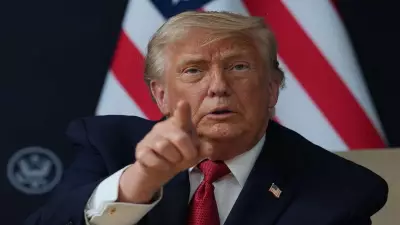
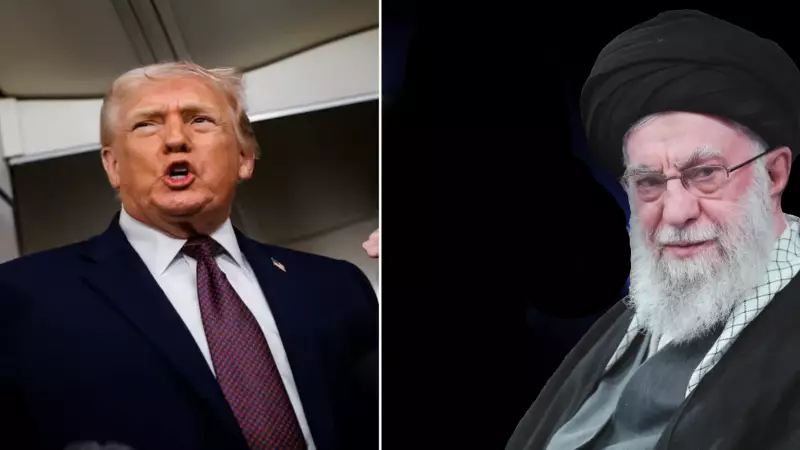
United States President Donald Trump delivered a chilling ultimatum to Iran on Tuesday, declaring that America would "wipe them off the face of this earth" if the Islamic nation attempts to assassinate him. In an interview on NewsNation's "Katie Pavlich Tonight," Trump emphasized his firm instructions to respond with overwhelming force to any such threat.
Iran's Retaliatory Threat and Military Posturing
Trump's provocative remarks came just hours after Iranian officials issued a stern warning against any action targeting the country's Supreme Leader, Ayatollah Ali Khamenei. General Abolfazl Shekarchi, spokesperson for Iran's armed forces, stated that "if any hand of aggression is extended toward our leader, we not only cut that hand but also we will set fire to their world." This fiery rhetoric underscores the heightened state of alert and readiness within Iran's military establishment.
Background of Verbal Exchanges and Regime Change Calls
The exchange of threats follows Trump's earlier characterization of Khamenei as a "sick man" during a weekend interview, where he openly called for regime change in Iran. Trump told Politico that "it's time to look for new leadership in Iran" and urged the current leadership to cease violent actions against its people. These comments have further inflamed the already volatile relationship between Washington and Tehran.

Root Causes: Protests, Crackdowns, and Human Rights Concerns
Tensions between the two nations have been simmering since late December, when nationwide protests erupted in Iran due to a deepening economic crisis. Authorities responded with a harsh crackdown, leading to significant casualties. Trump has delineated two red lines for the United States: the killing of peaceful protesters and the risk of mass executions in the aftermath of the unrest.
A government-imposed internet blackout, initiated on January 8, has severely hampered efforts to verify the true extent of the violence. Despite these restrictions, the US-based Human Rights Activists News Agency reported on Tuesday that at least 4,519 people have been killed in the protests.
Iran's Admission and Domestic Measures
In a notable development, Supreme Leader Khamenei acknowledged the bloodshed for the first time on Saturday, admitting that "several thousand" had died, though he attributed the violence to US interference. This marked the first public admission by Iran's leadership regarding the scale of casualties.
Simultaneously, national police chief Gen Ahmad Reza Radan announced a three-day window for what he described as "deceived" youth to surrender, promising leniency for those who turn themselves in for their involvement in the unrest. This move appears to be an attempt to quell dissent while offering a path to reconciliation.
The escalating war of words between Trump and Iranian leaders highlights the fragile state of US-Iran relations, with both sides positioning themselves for potential confrontations. The situation remains fluid, with international observers closely monitoring developments in the region.