

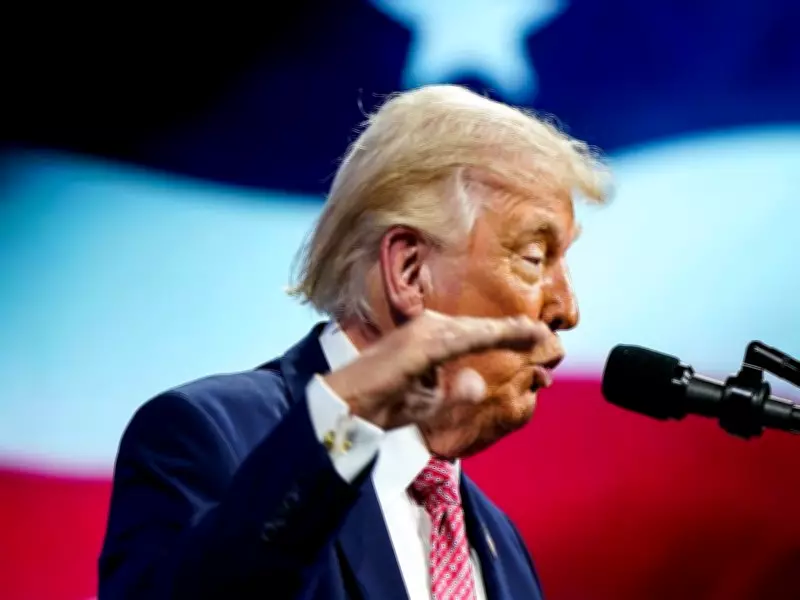
Trump Asserts Middle East on Brink of Liberation from Iranian Nuclear Coercion
In a recent statement, former United States President Donald Trump declared that the Middle East is now closer than ever to achieving a state of freedom from Iran and its persistent nuclear blackmail. Trump emphasized that his administration's robust foreign policy initiatives and strategic maneuvers have significantly weakened Iran's influence and its capacity to threaten regional stability with nuclear ambitions.
Trump's Bold Claim on Regional Security
Trump, known for his assertive stance on international affairs, highlighted that the region has made unprecedented progress toward security and independence from Iranian aggression. He pointed to the withdrawal from the Iran nuclear deal, the imposition of stringent sanctions, and the targeted elimination of key Iranian military figures as pivotal actions that have curtailed Iran's nuclear program and its ability to coerce neighboring nations.
According to Trump, these measures have not only isolated Iran diplomatically but have also emboldened regional allies to resist its nuclear blackmail tactics. He argued that the Middle East is now in a stronger position to foster peace and economic growth, free from the shadow of Iranian nuclear threats that have long destabilized the area.

Context and Implications of Trump's Remarks
Trump's comments come amid ongoing tensions in the Middle East, where Iran's nuclear activities remain a contentious issue on the global stage. His administration's approach, characterized by a "maximum pressure" campaign, aimed to force Iran into renegotiating a more favorable nuclear agreement while reducing its regional proxy activities.
Analysts note that while Trump's policies did increase economic pressure on Iran, they also escalated hostilities, leading to incidents such as the assassination of General Qasem Soleimani and retaliatory attacks. Critics argue that this has not necessarily brought the region closer to lasting freedom, but rather heightened risks of conflict.
Nevertheless, Trump remains confident that his legacy in the Middle East will be viewed as a turning point. He reiterated that the path to a nuclear-free region requires unwavering resolve and continued support for allies like Israel and Saudi Arabia, who have been vocal in their opposition to Iran's nuclear ambitions.
Looking Ahead: The Future of Middle East Stability
As the United States navigates its role in the Middle East under current leadership, Trump's assertions underscore the ongoing debate over the most effective strategy to counter Iran. The region's proximity to freedom from nuclear blackmail, as Trump describes it, hinges on sustained international cooperation and diplomatic efforts to address underlying security concerns.
In summary, Trump's proclamation highlights a contentious yet pivotal chapter in US-Middle East relations, with implications for global nuclear non-proliferation efforts and regional peace initiatives.






