Trump Maintains Strategic Neutrality in 2028 Republican Succession Speculation
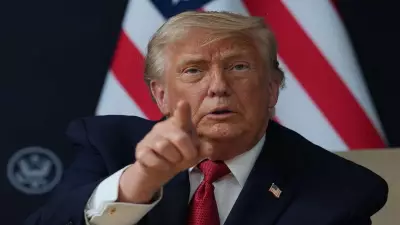
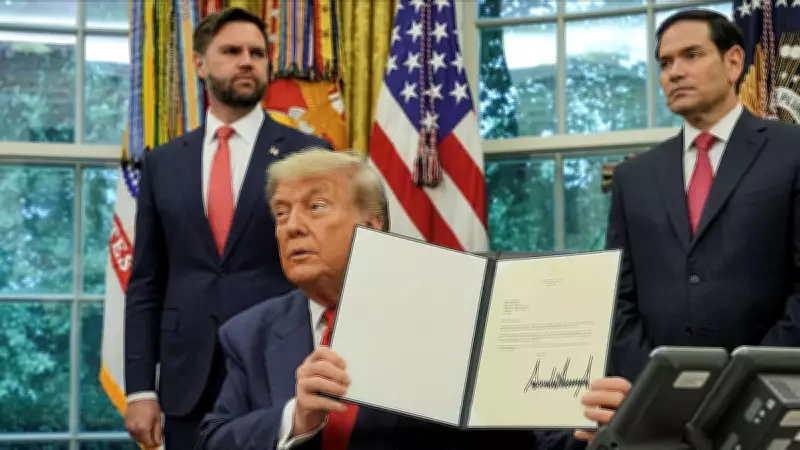
In a significant development for American political dynamics, former President Donald Trump has deliberately declined to take sides in the emerging debate about potential successors for the 2028 Republican presidential nomination. The focus of this early speculation centers on two prominent figures: Senator JD Vance and Senator Marco Rubio.
The Contenders in the Spotlight
While Senator Marco Rubio has not definitively closed the door on a potential 2028 presidential run, he has notably praised his colleague JD Vance, describing him as a strong potential candidate for the nation's highest office. This acknowledgment from Rubio has fueled political discussions about the future direction of the Republican Party.
JD Vance, who rose to national prominence with his memoir Hillbilly Elegy and subsequent political career, has been increasingly viewed as a formidable figure within conservative circles. His alignment with Trump's political philosophy and appeal to working-class voters makes him a natural subject of succession conversations.

Trump's Calculated Neutrality
Trump's decision to remain neutral at this early stage represents a strategic calculation. By not endorsing either potential candidate, the former president maintains maximum flexibility and influence over the party's future direction. This approach allows him to:
- Keep both potential successors competing for his favor
- Avoid prematurely alienating either candidate's supporters
- Maintain his position as the party's dominant power broker
- Observe how the political landscape evolves over the coming years
Political analysts suggest this neutrality reflects Trump's understanding that the 2028 election remains distant, and numerous variables could change the political equation before then.
The Broader Republican Landscape
The emerging Vance-Rubio dynamic represents just one facet of the Republican Party's ongoing evolution. As the party prepares for future electoral contests, questions about ideological direction, demographic appeal, and leadership succession remain central to internal discussions.
Rubio's praise for Vance suggests a degree of collegial respect between potential rivals, while Trump's neutrality indicates his continued role as the party's central reference point. This early positioning for 2028 highlights how presidential politics has become an almost continuous cycle of preparation and positioning.
The coming years will undoubtedly see further developments in this succession narrative, with other potential candidates likely emerging as the election approaches. For now, Trump's calculated neutrality sets the tone for what promises to be a fascinating chapter in American political history.