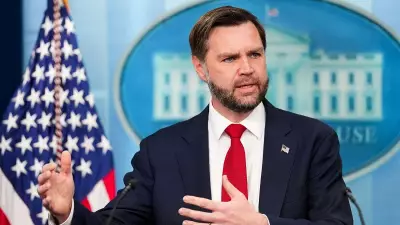
In a significant development that has sent ripples across the Americas, former US President Donald Trump made pointed remarks regarding the recent capture of Venezuelan leader Nicolas Maduro. Trump asserted that the people of Venezuela were "very happy" with this turn of events, claiming they "love the United States" and labelling Maduro's rule as "dictatorial." This statement comes amidst a complex backdrop of mass migration, fresh criminal charges, and sharp political divisions.
Diaspora's Mixed Emotions and the Scale of Exodus
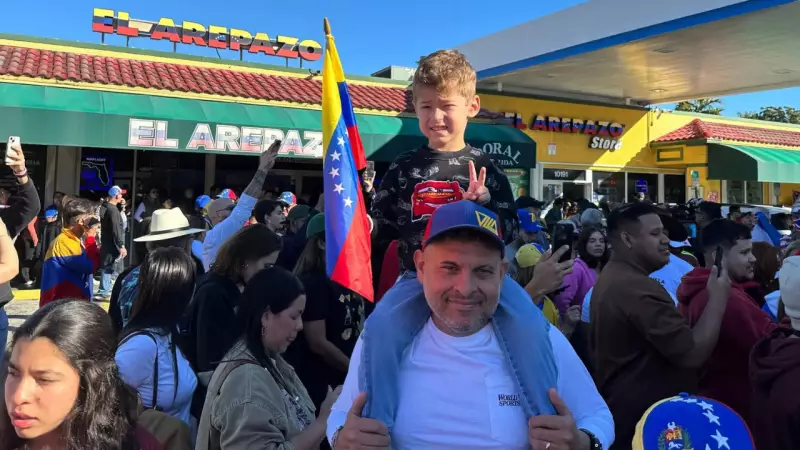
The Venezuelan diaspora, scattered globally, has expressed a torrent of conflicting emotions. While deep concern for the well-being of family members back home remains paramount, many have also admitted to a sense of relief following the news of Maduro's detention. This sentiment underscores the profound impact of the nation's prolonged crisis.
Nearly eight million Venezuelans have fled their homeland under Maduro's leadership, a staggering figure representing about a quarter of the country's total population. The mass exodus began in earnest after the economy catastrophically collapsed in 2014. Colombia has borne the largest burden, hosting approximately 2.8 million Venezuelan migrants and refugees. Peru follows, with around 1.7 million. In a swift response, Peruvian President Jose Jeri stated on social media platform X that his government would facilitate the immediate return of Venezuelans, irrespective of their immigration status.

US Stance, Internal Conflict, and Serious Allegations
During a press conference watched intently by the Venezuelan diaspora, Donald Trump announced that the United States "would run Venezuela." He did not, however, specify whether this implied a direct US military presence on the ground. Adding to the political turmoil, Trump revealed that Venezuelan Vice President Delcy Rodriguez had been in communication with US Secretary of State Marco Rubio, asserting she was "doing all necessary things." This narrative was sharply contradicted later when Rodriguez herself declared Maduro as the "only president of Venezuela" and demanded the immediate release of both Maduro and his wife, Cilia Flores.
The legal net around the Venezuelan first family has tightened considerably. While Maduro was initially charged by the US in 2020, an updated indictment unsealed on Saturday by US authorities adds his wife, Cilia Flores, and his son, Nicolás Ernesto Maduro Guerra. They face serious charges including conspiracy to import cocaine and possession of machine guns and destructive devices.
The indictment presents a damning picture, alleging that Maduro presides over a "corrupt, illegitimate government" that has leveraged state power for decades to protect and promote illegal activities like drug trafficking. This illicit trade, the US claims, has directly enriched Maduro's inner circle, including his wife and son, the latter being a sitting member of Venezuela's National Assembly.
A Nation at a Crossroads
The situation presents a critical juncture for Venezuela. The combination of high-level US political commentary, severe criminal indictments against its leadership, and the ongoing humanitarian crisis reflected in the massive diaspora, paints a picture of a nation under immense strain. The international community watches closely as events continue to unfold, with the well-being of millions of Venezuelans both inside and outside the country hanging in the balance. The conflicting statements from US and Venezuelan officials further cloud the path forward, leaving many questions about governance and stability unanswered.