Advisers to former US President Donald Trump are actively pushing for a new diplomatic initiative aimed at ending the ongoing war in Ukraine. Their proposal centres on hosting trilateral talks involving the United States, Russia, and Ukraine, with Miami, Florida, floated as a potential venue.
Zelenskyy's Firm Stance and Scepticism
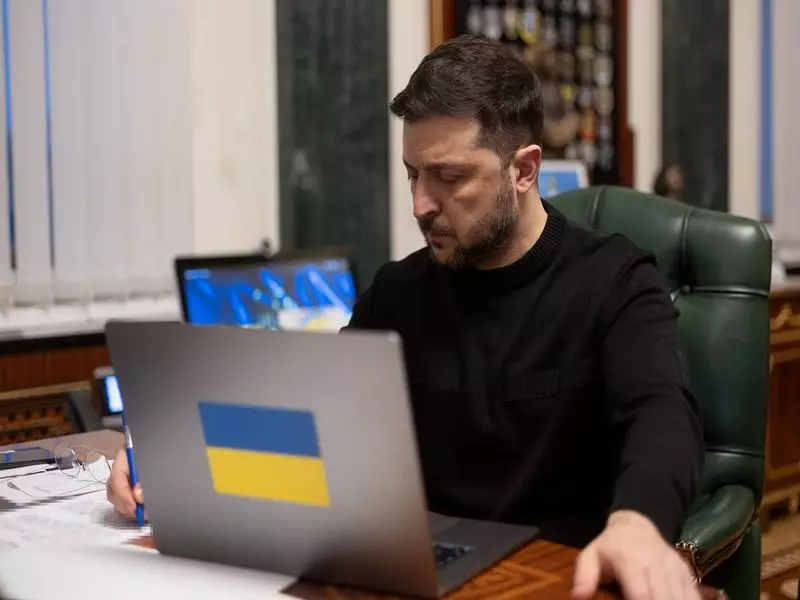
Ukrainian President Volodymyr Zelenskyy has responded to these overtures with significant caution and scepticism. He has publicly questioned the feasibility and intent behind such a plan, expressing concerns that it might lead to pressure on Ukraine to make unacceptable territorial concessions. Zelenskyy's core position remains that any negotiations must respect Ukraine's sovereignty and territorial integrity, principles he fears could be compromised in a forum where Russia holds equal footing.
In his statements, Zelenskyy emphasised that the path to peace cannot come at the cost of ceding Ukrainian land. He pointedly noted that previous attempts at negotiation have often seen Russia use talks as a tactical pause to regroup its military forces, a pattern Kyiv is wary of repeating.

The Trump Camp's Diplomatic Gambit
The initiative from Trump's team signals a potential foreign policy approach should the former president return to power after the upcoming November election. The proposal for talks in Miami is part of a broader effort by key Trump advisers to formulate a strategy to quickly end the protracted conflict, which they view as a drain on American resources and a secondary priority to strategic competition with China.
This push involves figures like Senator Lindsey Graham and others within Trump's orbit who believe a more direct, deal-driven approach with Russian President Vladimir Putin is necessary. Their argument hinges on the idea that the US, from a position of strength, can broker a settlement that halts the fighting, though the specific contours of such a deal remain unclear.
Implications and Global Reactions
The mere suggestion of these talks has stirred considerable debate in international diplomatic circles. European allies, who have largely stood united in support of Ukraine, are watching closely, concerned that any unilateral US move could undermine the collective Western stance against Russian aggression.
The proposal also highlights a stark contrast in potential foreign policy directions. The current Biden administration has championed a policy of unwavering military and financial support for Ukraine "for as long as it takes." In contrast, the vision emerging from Trump's camp prioritises a swift conclusion to the war, potentially through a negotiated settlement that could involve difficult compromises.
As the US presidential election campaign intensifies, the future of Western support for Ukraine and the strategy to end the war have become central geopolitical questions. The success or failure of initiatives like the proposed Miami talks will depend not just on the election outcome, but also on the willingness of both Kyiv and Moscow to engage under terms that are currently far from aligned.