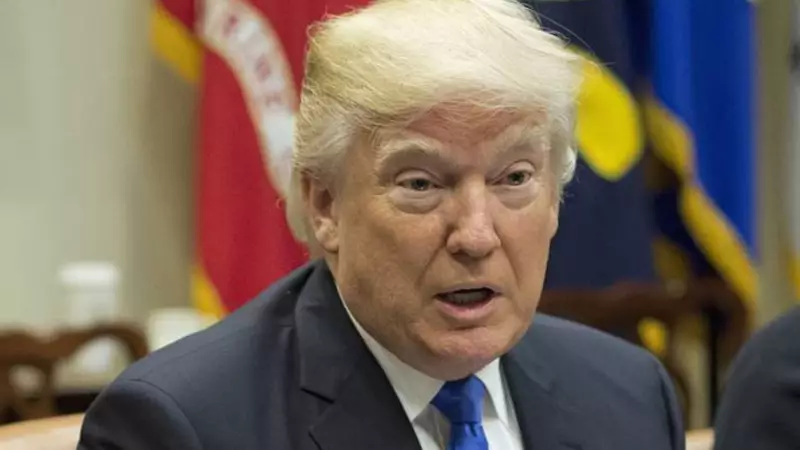
In a significant reversal, former President Donald Trump has announced the withdrawal of National Guard troops from three major American cities: Chicago, Los Angeles, and Portland. The move comes after a series of legal defeats in federal courts, which repeatedly ruled the deployments unlawful.
Legal Setbacks Force Troop Removal
Trump made the announcement on Wednesday, January 1, 2026, via a social media post. He framed the decision as a choice of his administration, but it followed closely on the heels of consistent judicial pushback. Judges overseeing lawsuits filed by the cities have consistently found that the Trump administration overstepped its authority. They ruled there was no evidence to support the claim that troops were necessary to protect federal property from protesters.
The legal pressure intensified just before Trump's statement. A federal appellate court ruled on the same day that his administration must return hundreds of California National Guard troops to the control of Governor Gavin Newsom. This was preceded by a major blow from the U.S. Supreme Court on December 23, which blocked Trump's attempt to deploy troops in Illinois. The court's majority, in an unsigned order, stated the government "failed to identify a source of authority" for such military action in the state, suggesting presidential authority likely applies only in "exceptional" circumstances.

A Defiant Warning and Political Backlash
Despite the retreat, Trump issued a stark warning. "We are removing the National Guard from Chicago, Los Angeles, and Portland, despite the fact that CRIME has been greatly reduced by having these great Patriots in those cities," he wrote. He added, "We will come back, perhaps in a much different and stronger form, when crime begins to soar again – Only a question of time!"
Local leaders and Democrats, who had long opposed the deployments, celebrated the move as a victory against federal overreach. They had accused the Trump administration of exaggerating isolated violent episodes to justify sending in troops. The office of California Governor Gavin Newsom dismissed Trump's announcement, calling it the political version of "you can't fire me, I quit."
In response to Trump's claims about crime reduction, Chicago Mayor Brandon Johnson's office shared 2025 data showing the city experienced its lowest violent crime rate in over a decade, with incidents down 21.3% from 2024.
The Context and Wind-Down of a Controversial Policy
Trump initially began deploying troops in June of the previous year, citing protests against his hardline immigration policies and a need to combat what he called rampant crime. He also used his unique authority over the U.S. capital to deploy troops and take control of local police in Washington, D.C.
However, with the legal rationale crumbling, military officials had already been scaling back the operations in recent months, leaving many deployments in limbo. The series of court rulings effectively compelled the administration to end the controversial program in these key cities, marking a significant check on executive power in domestic law enforcement.