

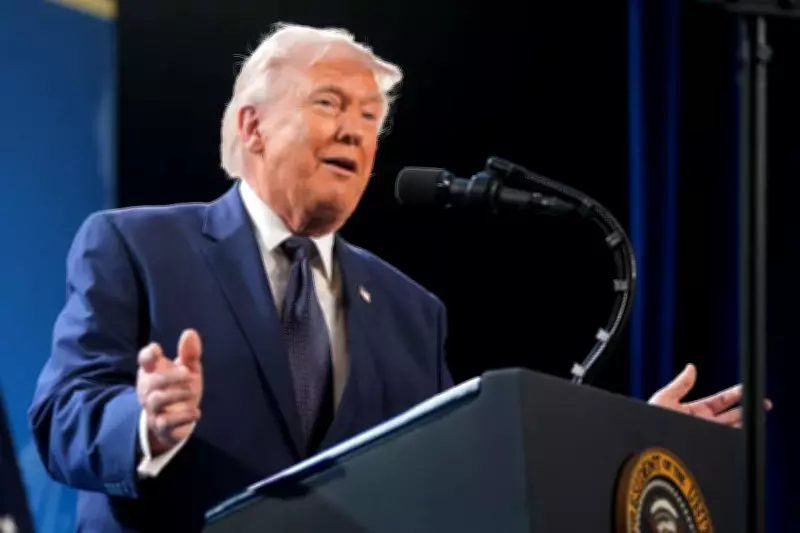
Trump Declares He Can Halt Iran Conflict Anytime, Pledges to End War on His Terms
In a bold statement that has captured global attention, former United States President Donald Trump has asserted his ability to stop the ongoing war with Iran at any given moment. Trump emphasized that the conflict's conclusion will be dictated entirely by his own terms, with a projected end date set for the year 2026.
Assertion of Control Over Military Engagement
Trump's remarks highlight a firm stance on US foreign policy and military strategy regarding Iran. He confidently stated, "I can stop it anytime," underscoring his belief in personal authority over the war's trajectory. This declaration comes amid escalating tensions in the Middle East, where the Iran conflict has been a persistent source of international concern.
The former president outlined that the resolution of the war will not be left to chance or external pressures. Instead, he plans to orchestrate its end based on specific conditions and timelines that align with his strategic vision. By setting a target of 2026, Trump aims to bring a decisive close to hostilities, potentially reshaping regional dynamics.

Implications for Global Diplomacy and Security
Trump's claims carry significant weight in the realm of global diplomacy and security. His promise to end the war on his terms suggests a potential shift in how the United States approaches conflict resolution with adversarial nations. This could influence future negotiations and military engagements, not only with Iran but also in other geopolitical hotspots.
Experts are closely monitoring the situation, as Trump's statements may impact international relations and stability in the Middle East. The assertion of such direct control over a major conflict raises questions about the role of presidential power in wartime decisions and the broader implications for peace efforts.
Background and Context of the Iran Conflict
The war with Iran has been a complex and protracted issue, involving various political, economic, and military factors. Trump's involvement and previous policies during his presidency have been pivotal in shaping the current state of affairs. His latest comments reflect a continuation of his assertive approach to foreign policy, which often prioritizes unilateral action over multilateral cooperation.
As the 2026 deadline looms, stakeholders worldwide are keenly observing how Trump's promises will translate into concrete actions. The potential for a negotiated settlement or a military withdrawal remains uncertain, but Trump's vow adds a new layer of intrigue to the ongoing discourse.
In summary, Donald Trump's declaration that he can stop the Iran war anytime and will end it on his terms by 2026 marks a significant moment in international politics. It underscores his enduring influence on US foreign policy and sets the stage for potential developments in the coming years.






