Trump Voices Disappointment Over Supreme Court Tariff Decision
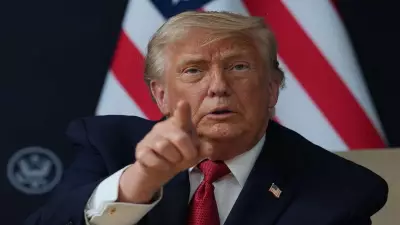
Former President Donald Trump has publicly criticized a recent ruling by the United States Supreme Court concerning tariffs, labeling it as "deeply disappointing." This statement comes in response to a judicial decision that impacts trade policies implemented during his administration.
Details of the Supreme Court Ruling
The US Supreme Court's ruling addressed legal challenges related to tariffs imposed under Trump's presidency. These tariffs were a key component of his "America First" economic strategy, aimed at protecting domestic industries and addressing trade imbalances. The court's decision, which has not been fully detailed in public reports, appears to limit or question the executive authority to impose such tariffs without congressional approval.
Legal experts suggest that this ruling could set a precedent for future trade disputes, potentially constraining presidential power in international economic matters. The case likely involved interpretations of trade laws and constitutional provisions regarding the separation of powers.

Trump's Reaction and Policy Implications
In his response, Trump emphasized that the ruling undermines efforts to bolster American manufacturing and secure fair trade deals. He argued that tariffs are essential tools for negotiating better terms with trading partners and combating unfair practices like dumping and intellectual property theft.
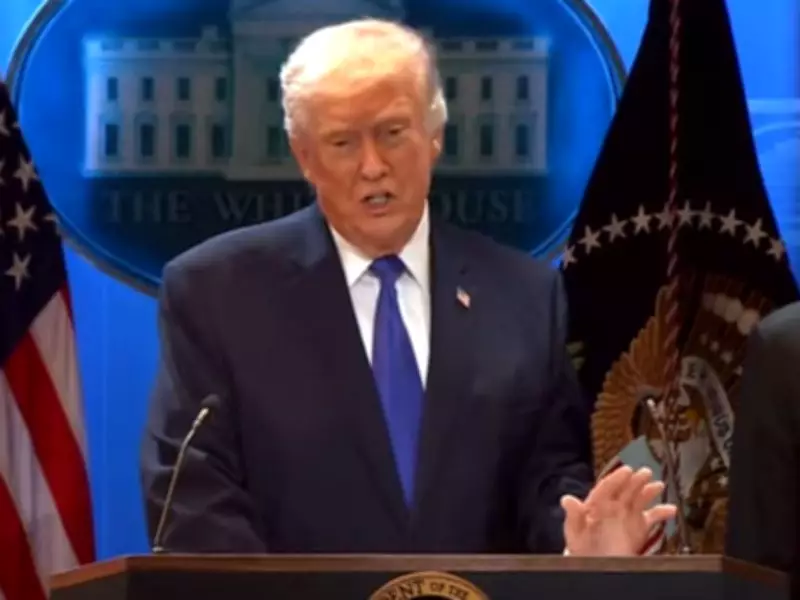
"This decision is a blow to our economic sovereignty and the hardworking Americans who benefit from strong trade policies," Trump stated. His comments reflect ongoing debates in US politics about the balance between executive action and legislative oversight in trade policy.
The ruling may influence current and future administrations' approaches to tariffs, prompting a reevaluation of how trade measures are enacted and enforced. It could also spark legislative efforts to clarify or amend relevant laws.
Broader Context and International Reactions
This development occurs amid global trade tensions and discussions about protectionism versus free trade. International observers are closely watching how the US handles such legal challenges, as tariffs have been a contentious issue in relations with countries like China and the European Union.
Economists note that while tariffs can protect specific industries, they may also lead to higher consumer prices and retaliatory measures from other nations. The Supreme Court's involvement highlights the judicial branch's role in shaping economic policy through constitutional interpretation.
As the situation evolves, stakeholders from various sectors are likely to analyze the ruling's long-term effects on US trade strategy and global economic dynamics.