Trump Condemns Supreme Court Tariff Decision as Major Setback
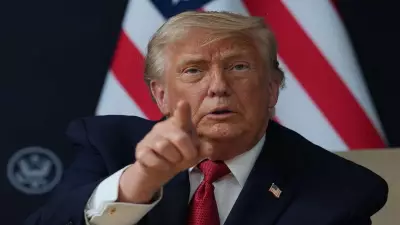
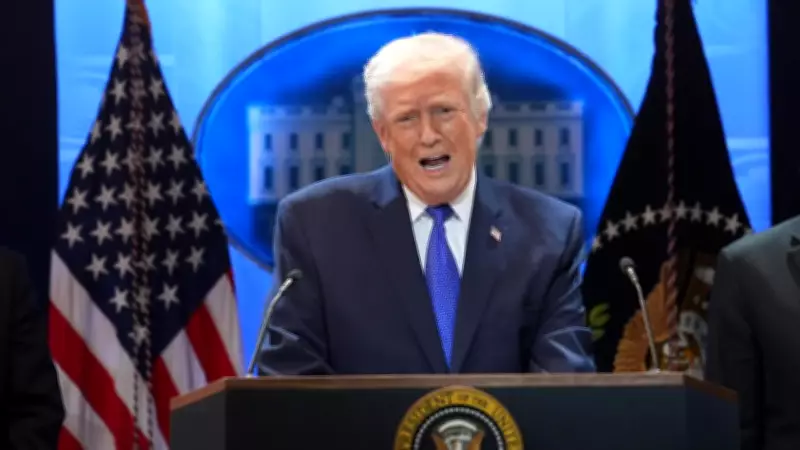
In a fiery White House address on Friday, former President Donald Trump delivered his first public reaction to the Supreme Court's landmark ruling on tariffs, declaring it a significant obstacle to his potential second term in office. The decision, which Trump characterized as "deeply disappointing," has sparked intense political debate and raised questions about executive authority in trade policy.
"I Can Do Anything I Want": Trump's Defiant Response
Trump opened his remarks with a bold assertion of presidential power, stating "I can do anything I want" in reference to his administration's capabilities. This declaration came immediately after the Supreme Court justices issued their ruling, which Trump described as creating substantial challenges for his political agenda and economic vision for the nation.
The former president expressed profound disappointment with the judicial branch, telling reporters and supporters that he was "absolutely ashamed" of the Supreme Court justices responsible for the decision. His criticism extended beyond mere disagreement with the ruling's substance to encompass broader concerns about judicial overreach and constitutional interpretation.

Promising Stronger Methods in Response
Despite the setback represented by the Supreme Court's decision, Trump remained defiant about his administration's options moving forward. "There are methods that are even stronger available to me," he declared during his address, suggesting that his team was already exploring alternative approaches to achieve their policy objectives.
This statement has prompted speculation among political analysts about what specific actions the Trump administration might consider in response to the judicial ruling. Potential avenues could include:
- Executive orders addressing related trade matters
- Legislative initiatives through congressional allies
- Administrative rule-making through federal agencies
- International negotiations to achieve similar objectives through different mechanisms
Broader Implications for Presidential Authority
The Supreme Court's tariff decision represents more than just a policy setback for the Trump administration—it raises fundamental questions about the balance of power between the executive and judicial branches. Legal experts are closely examining the ruling's potential to establish precedents that could limit presidential discretion in trade matters for future administrations.
Trump's strong reaction to the decision reflects his administration's broader approach to governance, which has frequently emphasized expansive executive authority and challenged traditional interpretations of constitutional separation of powers. The confrontation between the White House and Supreme Court on this issue may have lasting consequences for how future presidents approach trade policy and respond to judicial constraints.
As the political landscape continues to evolve in the wake of this ruling, observers are watching closely to see how Trump's promised "stronger methods" will materialize and what impact they might have on both domestic economic policy and international trade relationships.