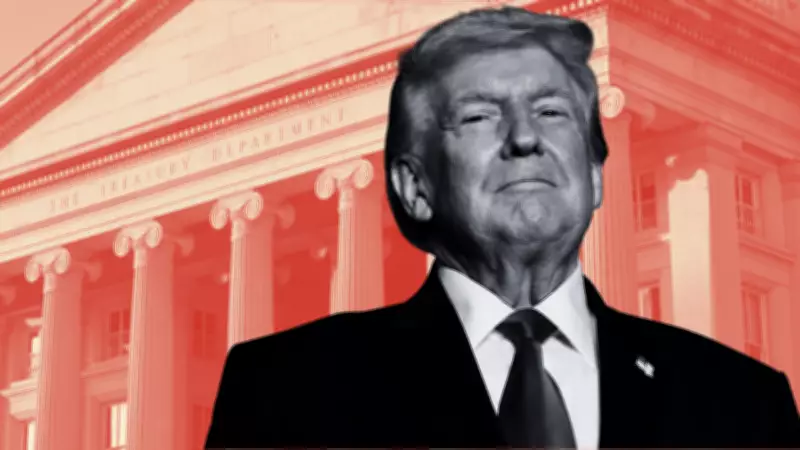
Former US President Files Massive $10 Billion Lawsuit Against Federal Agencies
In a significant legal development, former US President Donald Trump has initiated a $10 billion lawsuit against the Internal Revenue Service (IRS) and the Treasury Department. The lawsuit, filed in a Miami federal court on Thursday, alleges that these federal agencies were responsible for leaking Trump's personal tax information to various news outlets between 2018 and 2020.
Allegations of Reputational Damage and Election Impact
The legal complaint cites substantial reputational and financial damage as the core reasons for this unprecedented lawsuit. Trump claims that the unauthorized disclosure of his confidential tax records directly contributed to his loss in the 2020 presidential election. According to the lawsuit, the leak caused public embarrassment, unfairly tarnished business reputations, portrayed the plaintiffs in a false light, and negatively affected their public standing.
The lawsuit specifically mentions that the information disclosure adversely impacted President Trump's support among voters during the crucial 2020 presidential election campaign. This legal action represents one of the most substantial financial claims ever filed by a former president against federal agencies.

Expanded Scope of the Legal Action
Notably, the lawsuit extends beyond Donald Trump himself to include:
- Eric Trump, his second eldest son
- Donald Trump Jr., his eldest son
- The Trump Organization, his business entity
This expanded scope indicates that the alleged leak affected multiple members of the Trump family and their business interests, creating what the lawsuit describes as widespread financial and reputational harm.
Government Response and Contractual Implications
US Treasury Secretary Scott Bessent addressed the situation by announcing that the analytics firm managing the data failed to implement adequate safeguards to protect sensitive taxpayer information. This failure occurred despite the firm having access to confidential data through its contracts with the Internal Revenue Service.
In response to these security lapses, the Treasury Department has taken decisive action by:
- Cutting contracts with Booz Allen Hamilton
- Terminating relationships with the defense and national security technology firm
- Addressing systemic security vulnerabilities in data management
Booz Allen Hamilton was employing the whistleblower responsible for the tax records leak when the incident occurred, highlighting significant security protocol failures within the contracting system.
Background of the Tax Information Leak
The origins of this controversy trace back to 2024 when Charles Edward Littlejohn, a former IRS contractor, received a five-year prison sentence after being found guilty of leaking tax information. His actions involved:
- Disclosing Donald Trump's tax records
- Releasing information about thousands of America's wealthiest individuals
- Providing this confidential data to multiple news organizations
This massive data breach had immediate journalistic consequences, with The Times publishing reports revealing that Donald Trump had not paid federal income tax for many years before 2020. Additionally, investigative journalism outlet ProPublica identified and published a series of inconsistencies in Trump's financial records during 2019.
Political Ramifications and Electoral Consequences
The timing and content of these revelations proved particularly damaging during the 2020 presidential election cycle. Political analysts and the lawsuit itself suggest that these disclosures:
- Created negative public perception about Trump's financial transparency
- Raised questions about his tax compliance history
- Potentially influenced voter decisions in key swing states
- Contributed to the overall narrative during the election campaign
The $10 billion lawsuit represents not just a financial claim but a political statement about how Trump believes confidential information handling affected one of the most consequential elections in recent American history.

This legal battle unfolds against the backdrop of ongoing political tensions and sets a remarkable precedent for how former presidents might seek legal recourse against federal agencies they believe have wronged them through information management failures.