

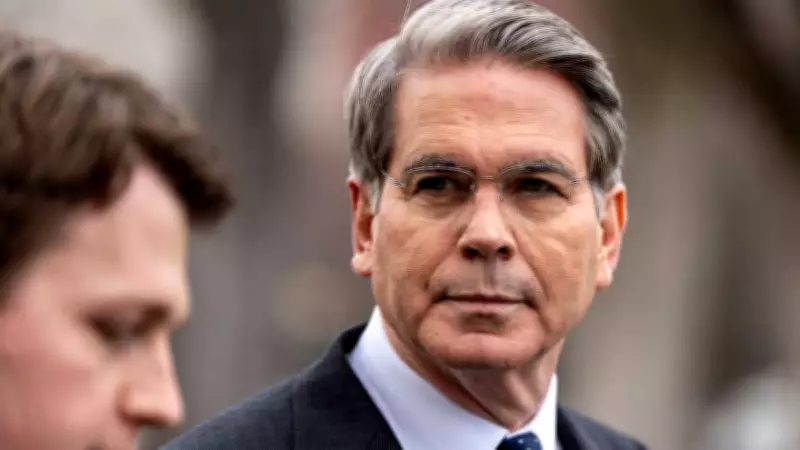
US Treasury Secretary Abruptly Summoned by Trump During Live Interview
In a startling turn of events that has captured global attention, the United States Treasury Secretary was unexpectedly summoned by President Donald Trump in the middle of a live television interview. The incident, which unfolded on March 13, 2026, saw the high-ranking official abruptly leave the broadcast and return approximately two hours later, appearing visibly shaken and distressed.
Dramatic Interruption During Live Broadcast
The Treasury Secretary was actively participating in a scheduled interview with a major news network when the interruption occurred. Midway through discussing critical economic policies and fiscal matters, he received an urgent communication directly from the White House. Without providing any detailed explanation to the interviewers or the audience, the Secretary immediately excused himself and departed the studio, leaving the broadcast team and viewers in a state of confusion and surprise.
Extended Absence and Troubled Return
The Secretary's absence extended for a full two hours, during which time there was no official statement or clarification from the White House or Treasury Department regarding the nature of the summons or the discussion that took place. Upon his return to the interview location, observers noted a significant change in his demeanor. He appeared pale, unsettled, and exhibited signs of emotional distress, which was starkly contrasted with his composed and professional attitude prior to the interruption.

This visible agitation has fueled intense speculation among political analysts, media outlets, and the public about the content and tone of the meeting with President Trump. The lack of transparency surrounding the incident has only heightened concerns and led to widespread theories about potential conflicts, reprimands, or urgent national matters that may have been addressed.
Political and Economic Implications
The incident raises serious questions about the dynamics within the Trump administration and its impact on key economic leadership. The Treasury Secretary plays a pivotal role in shaping US fiscal policy, managing national debt, and overseeing financial regulations. Any disruption or tension at this level could have far-reaching consequences for both domestic and international markets.
Experts suggest that such public displays of discord or pressure can undermine confidence in economic stability and governance. The event has prompted calls for greater clarity and accountability from the White House to reassure stakeholders and maintain public trust.
Public and Media Reaction
Following the incident, social media platforms and news channels were abuzz with reactions and analyses. Many expressed concern over the Secretary's well-being and the implications for US economic policy. The media has been closely monitoring any subsequent statements or developments, but as of now, official details remain scarce.
The lack of immediate explanation has led to a vacuum of information, which various groups have filled with hypotheses ranging from routine administrative discussions to more severe confrontations. This incident underscores the often opaque and high-pressure environment within top levels of government.
Broader Context and Historical Precedents
This is not the first time that interactions between President Trump and his cabinet members have drawn public scrutiny. Throughout his tenure, there have been numerous reports of abrupt dismissals, heated exchanges, and unconventional management styles. However, the mid-interview summons and the Secretary's shaken return represent a particularly dramatic and visible example of these dynamics.
As the situation continues to develop, observers are keenly watching for any official updates or statements that might shed light on the events of March 13, 2026. The incident serves as a reminder of the intense pressures and unpredictable nature of high-stakes political leadership in the United States.






