Trump Signals Readiness to Bypass Supreme Court on Tariff Dispute
In a significant development that could reshape American trade policy, former US President Donald Trump has issued a stark warning regarding ongoing Supreme Court deliberations on tariff-related legal challenges. Speaking on Thursday, January 22, Trump declared that his administration would explore alternative pathways if the nation's highest court fails to deliver a ruling favorable to his controversial tariff measures.
A Defiant Stance on Presidential Trade Authority
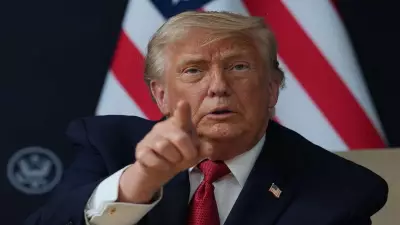
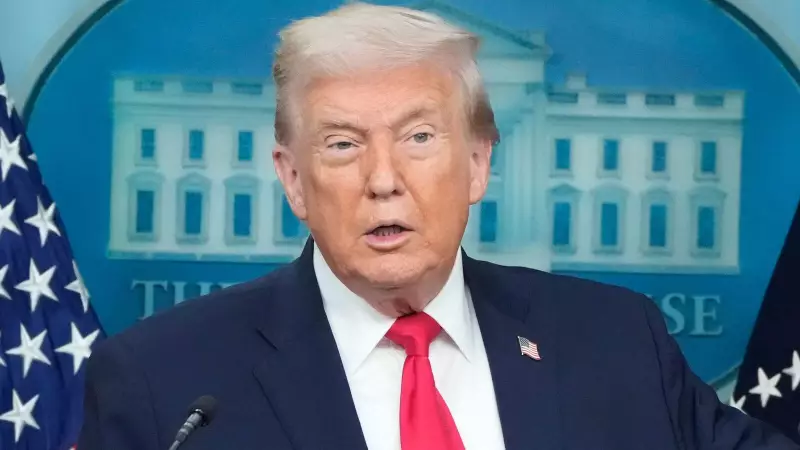
"If we don't get the Supreme Court decision we want on tariffs, we'll do something else," Trump stated emphatically, though he notably refrained from specifying what alternative actions his administration might undertake. This remark underscores the former president's determination to maintain sweeping trade measures that have defined much of his economic agenda, regardless of judicial outcomes.
The comments arrive at a critical juncture as the Supreme Court currently weighs multiple legal challenges to tariffs imposed during Trump's presidency under emergency powers. These cases question whether such measures exceed presidential authority and improperly bypass congressional oversight, potentially setting important precedents for executive power limitations.

Legal Foundations and Potential Consequences
Trump's administration has consistently defended these tariffs as essential components of economic strategy, arguing they protect American manufacturing sectors, strengthen national security interests, and provide crucial leverage in international trade negotiations. To justify these duties, officials have heavily relied on the International Emergency Economic Powers Act (IEEPA), a legislative framework designed for emergency situations.
Legal analysts observing the proceedings suggest that an adverse ruling from the Supreme Court could substantially restrict the executive branch's ability to impose tariffs without explicit congressional approval. Such a decision would represent a significant check on presidential powers and could force administrations to seek legislative backing for future trade measures.
Broader Implications for Trade Policy and Markets
Trump's remarks indicate his administration remains prepared to explore other legal or policy mechanisms to sustain its trade strategy, even if faced with unfavorable judicial outcomes. This persistent approach highlights the ongoing tension between executive authority and constitutional checks within American governance structures.
The Supreme Court case is being closely monitored by business communities and global markets alike, as any ruling could fundamentally reshape US trade policy directions and establish clearer boundaries for presidential powers regarding tariffs in future administrations. The outcome may influence international trade relationships and economic strategies for years to come.
As this legal drama unfolds, stakeholders across political, economic, and legal spheres await clarification on how the balance between presidential initiative and congressional oversight will be defined in matters of international trade and economic policy.