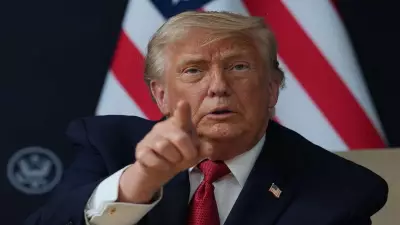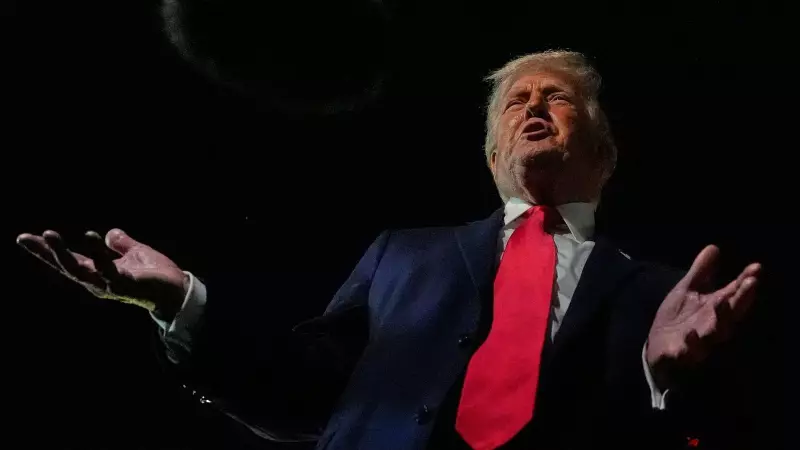
In a recent statement that has reignited discussions about Arctic geopolitics, former United States President Donald Trump has touted what he describes as a "total access" deal for Greenland. This claim comes at a time when the North Atlantic Treaty Organization (NATO) is actively urging its member nations to step up their defense contributions and capabilities.
Trump's Bold Assertion on Greenland
Donald Trump, known for his unconventional approach to international relations during his presidency, asserted that he had negotiated a comprehensive agreement granting the United States extensive access to Greenland. While specific details of this purported deal remain unclear, Trump emphasized its strategic importance, suggesting it would bolster American interests in the resource-rich and strategically located Arctic region.
Greenland, an autonomous territory within the Kingdom of Denmark, has long been a focal point for global powers due to its vast natural resources and its position as a gateway to the Arctic. Trump's interest in acquiring or gaining greater control over Greenland was previously reported during his tenure, but this new claim adds a layer of intrigue to ongoing diplomatic narratives.

NATO's Call for Enhanced Defense Efforts
Simultaneously, NATO has issued a strong appeal to its allies, urging them to increase their defense spending and military preparedness. This call to action is driven by escalating global tensions, including conflicts in Europe and the Indo-Pacific, as well as the persistent threat of terrorism and cyber attacks.
The alliance's leadership has stressed that collective security requires robust contributions from all member states. NATO's push for heightened defense measures aligns with broader efforts to deter aggression and maintain stability in an increasingly volatile international landscape.
Implications for Global Security and Diplomacy
The convergence of Trump's Greenland deal claim and NATO's defense initiatives highlights the complex interplay between national interests and multinational cooperation. Trump's assertion, if substantiated, could signal a shift in U.S. strategy towards more assertive territorial and resource claims, potentially influencing other nations' policies in the Arctic and beyond.
On the other hand, NATO's emphasis on allied defense spending underscores the importance of unity and shared responsibility in addressing common security challenges. As geopolitical rivalries intensify, the balance between unilateral actions and collaborative efforts will be crucial in shaping future global dynamics.
Experts note that while Trump's deal may be more rhetorical than formal, it reflects ongoing debates about sovereignty, resource exploitation, and military presence in the Arctic. Meanwhile, NATO's agenda focuses on strengthening deterrence and resilience among its members, aiming to foster a more secure and predictable international environment.
As these developments unfold, they are likely to spark further discussions among policymakers, analysts, and the public about the direction of U.S. foreign policy and the role of alliances like NATO in contemporary world affairs.