

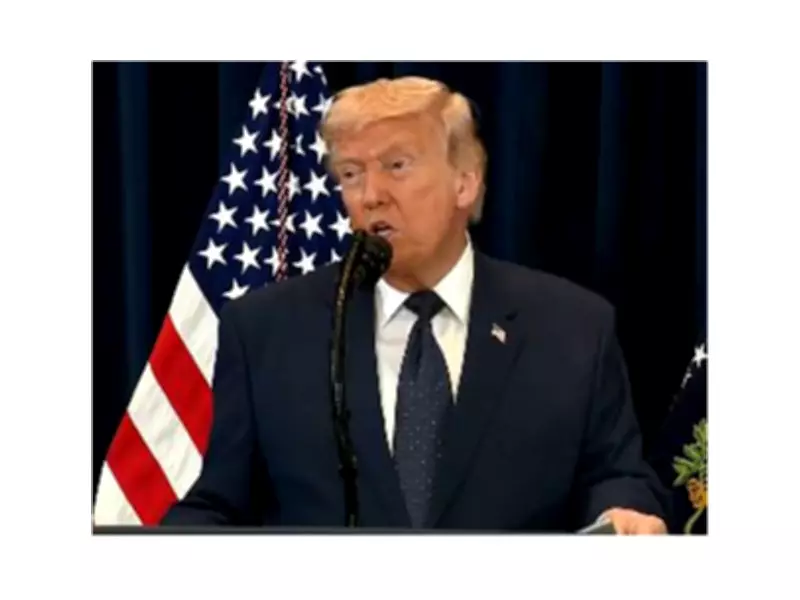
Trump Issues Stark Warning to Iran Over Strait of Hormuz
Former United States President Donald Trump has delivered a forceful and unambiguous warning to the Islamic Republic of Iran, explicitly cautioning the nation against any attempts to block or disrupt maritime traffic through the critical Strait of Hormuz. This strategic waterway is a vital artery for global energy markets, and any interference could have severe repercussions for worldwide oil supplies and economic stability.
The Geopolitical Flashpoint: Strait of Hormuz
The Strait of Hormuz, a narrow chokepoint between the Persian Gulf and the Gulf of Oman, is arguably the world's most important oil transit route. It facilitates the passage of approximately one-fifth of the global oil supply, with millions of barrels transported daily from major producers like Saudi Arabia, Iraq, the United Arab Emirates, and Kuwait to international markets. Given its immense strategic value, the strait has long been a focal point of geopolitical tension and military posturing in the region.
Trump's Direct Message to Tehran
In his latest public statement, Trump articulated a clear and direct message aimed at the leadership in Tehran. He emphasized that any Iranian action to obstruct this maritime passage would be met with a swift and decisive response from the United States. This warning underscores the ongoing and volatile nature of US-Iran relations, which have been characterized by deep-seated animosity and a series of confrontations over nuclear ambitions, regional influence, and security issues.

The former president framed the potential blockade not merely as a regional issue but as a direct threat to global economic security. He highlighted the catastrophic impact such a move would have on oil prices, energy-dependent industries, and the broader international economy, which is still recovering from recent shocks.
Historical Context and Regional Tensions
This is not the first time Iran has threatened to close the Strait of Hormuz. The nation's military and political leaders have periodically issued such warnings, often in response to perceived external pressures, such as economic sanctions or military threats from adversaries. These statements are typically viewed as a strategic deterrent and a demonstration of Iran's capability to exert influence over a crucial global resource.
However, Trump's warning injects a new level of urgency into the situation, reflecting the persistent and unresolved conflicts between Washington and Tehran. The relationship deteriorated significantly during Trump's presidency, particularly after the US withdrawal from the Iran nuclear deal and the subsequent imposition of crippling sanctions, which have severely impacted Iran's economy.
Potential Global Ramifications
The possibility of the Strait of Hormuz being blocked presents a nightmare scenario for energy markets and global trade. Analysts predict that such an event would trigger an immediate and dramatic spike in oil prices, potentially leading to:
- Widespread economic instability in oil-importing nations.
- Disruptions in supply chains for countless industries reliant on petroleum products.
- Increased geopolitical maneuvering as countries scramble to secure alternative energy routes and sources.
- A heightened risk of military conflict in an already volatile region.
Trump's statement serves as a stark reminder of the fragile balance that governs this critical maritime passage and the high stakes involved for all parties.
Looking Ahead: A Tense Standoff
As tensions simmer, the international community watches closely. The warning from the former US president adds another layer of complexity to the already fraught US-Iran dynamic. While Iran has consistently denied seeking to disrupt oil flows permanently, its ability to do so—even temporarily—remains a powerful card in its geopolitical arsenal.
The situation underscores the ongoing challenges in Middle Eastern diplomacy and the ever-present threat that regional conflicts pose to global economic stability. All eyes remain on the Strait of Hormuz, a narrow strip of water that holds the key to a significant portion of the world's energy security.






