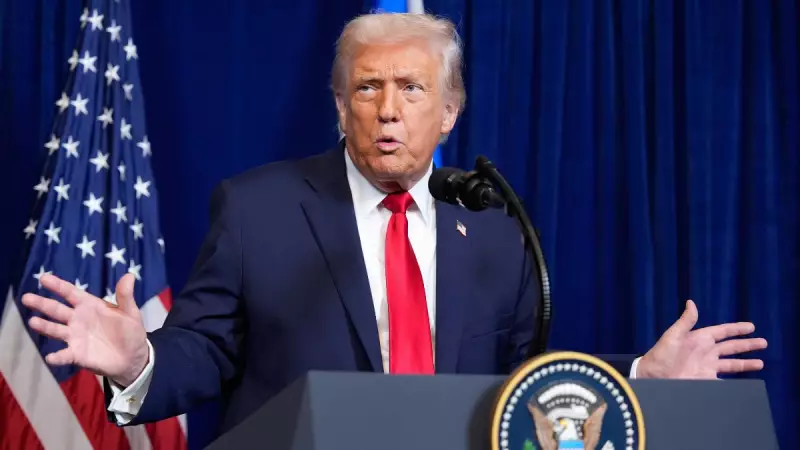
In a significant move, former US President Donald Trump has officially ended the deployment of National Guard troops in three major American cities: Chicago, Los Angeles, and Portland. This decision marks a shift in the federal response to the civil unrest and protests that have gripped these urban centres for months.
The Decision to Withdraw Federal Troops
The announcement to pull back the National Guard forces was confirmed on January 1, 2026. These troops had been stationed in the cities following a period of widespread demonstrations and incidents of violence. The deployment was a contentious federal intervention aimed at assisting local law enforcement in maintaining order.
While the exact number of troops withdrawn was not specified in the initial report, their presence had been a focal point of national debate, drawing both support and criticism. The Trump administration had framed the deployment as a necessary measure to protect property and lives.

Reactions and the "We Will Come Back" Warning
The withdrawal did not come without a stern warning from the former President. A key part of the announcement included a pointed message: "We will come back if we have to." This statement underscores a conditional approach, suggesting that federal forces could be redeployed if the situation in these cities deteriorates again according to the administration's assessment.
Local officials in the affected cities have had mixed reactions. Some leaders, particularly those who had criticised the federal presence as an overreach and an escalation, welcomed the move. Others expressed concern about potential security gaps, fearing a resurgence of unrest without the federal support.
Context and Lasting Impact
The deployment of the National Guard in domestic, non-military situations is always a sensitive issue in the United States, touching on principles of federalism and states' rights. The prolonged stationing of troops in Chicago, Los Angeles, and Portland became a symbol of the deep political and social divisions within the country.
This decision by former President Trump to end the deployment is seen as a major policy action with immediate logistical and symbolic consequences. It relieves the financial and operational burden on the federal government and the Guard itself. However, it also transfers the full responsibility for public order back to the municipal and state authorities in these regions.
The legacy of this episode is complex. It highlights the challenges of governing during periods of intense civil strife and sets a precedent for how future administrations might respond to similar domestic crises. The conditional nature of the withdrawal, encapsulated in the "we will come back" warning, leaves a lingering possibility of future federal intervention, keeping the issue alive in the nation's political discourse.