Trump's 'Board of Peace' Initiative: A Global Response Analysis
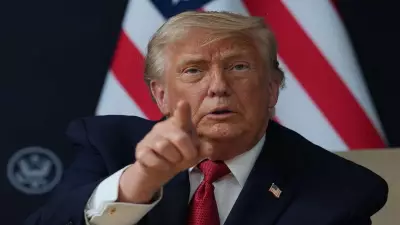
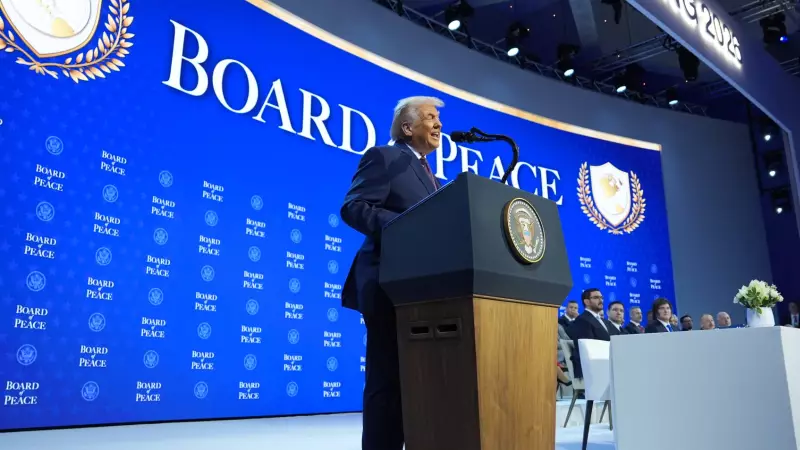
Former United States President Donald Trump has recently proposed the establishment of a new international body known as the 'Board of Peace.' This initiative aims to foster global cooperation and conflict resolution through diplomatic channels. The proposal has sparked significant interest and debate within the international community, leading to varied responses from nations around the world.
Countries That Have Joined the Initiative
Several nations have expressed their support and officially joined Trump's 'Board of Peace.' These countries view the initiative as a positive step towards enhancing international dialogue and peacebuilding efforts. Key participants include nations from various regions, such as certain Middle Eastern and Asian countries, which see potential benefits in aligning with this new diplomatic framework. Their involvement is expected to bring diverse perspectives to the board, potentially addressing regional conflicts and promoting stability.
Nations That Have Declined Participation
In contrast, a number of countries have opted to decline participation in the 'Board of Peace.' These nations have cited various reasons for their decision, including concerns over the initiative's alignment with existing international organizations, potential political implications, or doubts about its effectiveness. Some European and other Western countries are among those that have chosen not to join, reflecting a cautious approach to this new proposal. Their reluctance highlights the complexities of global diplomacy and the challenges in achieving consensus on new peace initiatives.

Implications for Global Diplomacy
The mixed response to Trump's 'Board of Peace' underscores the current state of international relations. While some countries are eager to explore new avenues for peace, others prefer to rely on established mechanisms. This divergence could influence future diplomatic efforts and the overall effectiveness of the board. Analysts suggest that the success of the initiative will depend on its ability to gain broader acceptance and demonstrate tangible results in conflict resolution.
Key Factors Influencing Decisions:
- Political alliances and existing diplomatic commitments
- Perceptions of Trump's leadership and foreign policy legacy
- Strategic interests and regional security concerns
- Compatibility with current international peace frameworks
As the 'Board of Peace' moves forward, its composition and actions will be closely monitored by global observers. The initiative represents a notable attempt to reshape peacebuilding efforts, but its long-term impact remains uncertain given the varied international reception.