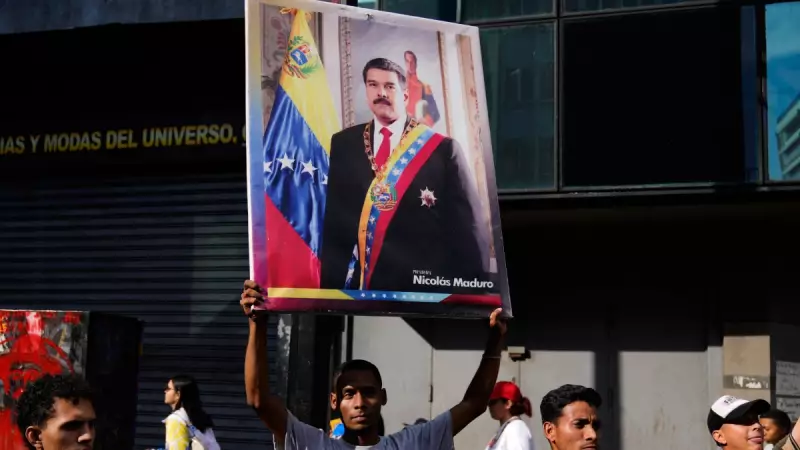
In a dramatic escalation of tensions, former US President Donald Trump authorised a bold and controversial plan aimed squarely at Venezuela's economic lifeline: its vast oil reserves. The strategy, designed to force the ouster of President Nicolás Maduro, involved a direct assault on the nation's primary source of revenue.
The Core of the Plan: Seizing Control of Oil Assets
The directive, issued during Trump's tenure, was unequivocal in its objective. It called for the capture and control of Venezuela's critical oil infrastructure. This was not merely a suggestion of sanctions but an active operational plan to physically take charge of assets belonging to the state-owned oil company, PDVSA. The underlying logic was to cripple the Maduro government financially, cutting off the funds that sustain its hold on power.
This aggressive move signified a stark shift from diplomatic and economic pressure to a posture contemplating direct intervention. The plan treated Venezuela's sovereign resources as a legitimate military and strategic target in the campaign to install a US-friendly interim government led by opposition figure Juan Guaidó, whom the Trump administration recognised as the legitimate leader.

Context and Justification: The 'Maximum Pressure' Campaign
This revelation fits into the broader 'maximum pressure' campaign championed by the Trump administration against Caracas. For years, the US had imposed severe sanctions on PDVSA, effectively blocking Venezuela's oil exports to the US market and freezing its assets. However, this newly disclosed plan went several steps further, envisioning a tangible seizure of facilities.
The US justification consistently cited the deteriorating humanitarian situation, political repression, and the illegitimacy of Maduro's 2018 re-election. The goal was regime change, and controlling Venezuela's oil was seen as the fastest way to achieve it. This approach, however, drew sharp criticism from allies and adversaries alike, who viewed it as a blatant violation of international law and sovereignty.
Implications and Fallout of the Aggressive Stance
The existence of such a plan has profound implications. Firstly, it reveals the extreme lengths the previous US administration was willing to consider in its confrontation with Maduro. It sets a concerning precedent for the use of force to control another nation's natural resources.
Secondly, it has likely hardened the position of the Venezuelan government and its allies, such as Russia and China, who have economic and military stakes in the country. For the Venezuelan people, it represents another layer of complexity in a prolonged crisis where their nation's wealth is at the centre of a global power struggle.
Finally, the plan continues to shape bilateral relations. While the Biden administration has pursued a somewhat different tack, including limited sanctions relief in exchange for electoral guarantees, the threat of aggressive action remains part of the historical backdrop. The situation in Venezuela remains a volatile flashpoint in international relations, with its oil reserves perpetually in the crosshairs of geopolitical strategy.