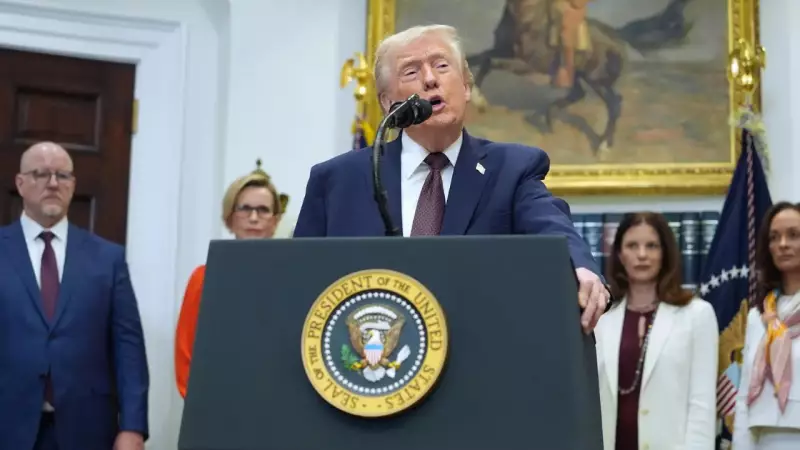
In a significant move aimed at reducing healthcare costs, US President Donald Trump on Friday unveiled a series of agreements with nine leading global pharmaceutical companies. The pacts are designed to dramatically lower prescription drug prices in the United States, bringing them closer to the levels seen in other wealthy nations.
Key Players and Pricing Commitments
The landmark agreements involve major drugmakers Amgen, Bristol Myers Squibb, Boehringer Ingelheim, Genentech, Gilead Sciences, GSK, Merck, Novartis, and Sanofi. Under the new terms, these companies have committed to capping prices for medicines sold through the government's Medicaid programme. The rates will be comparable to what they charge in other developed countries.
Furthermore, any new drugs launched by these firms will adopt a "most-favoured-nation" pricing model. This means the prices in all US markets, including commercial insurance, cash-pay customers, Medicare, and Medicaid, will be aligned with the lowest prices offered in other wealthy nations. This move directly addresses the long-standing issue where US patients often pay nearly three times more for the same medications.

Direct-to-Consumer Platform and Major Concessions
A key component of the announcement is the launch of a new direct-to-consumer platform called TrumpRx, set to go live in January. The participating companies will list pharmacy-ready medicines on this platform, allowing patients to purchase drugs directly from manufacturers, potentially bypassing traditional supply chain markups.
Some firms have pledged to offer discounts of up to 70% on select medicines. In a notable gesture, Bristol Myers Squibb announced it would provide its blockbuster blood thinner, Eliquis, free of cost to Medicaid. Health economist William Padula described this as "a thoughtful health equity move." Several companies also committed to donating active pharmaceutical ingredients to a national reserve for use during public health emergencies.
Market Reaction and Broader Implications
The financial markets responded positively to the news, with shares of most participating drugmakers rising. The agreements also include a significant incentive for the industry: a three-year exemption from threatened pharmaceutical tariffs. This exemption is granted in return for commitments to invest in US-based manufacturing.
President Trump stated that the deals would end a system where the US was effectively "subsidising the entire world." He revealed that his administration had used the threat of tariffs to push companies toward this agreement. According to reports, the Trump administration has now secured pricing agreements with 14 out of the 17 drugmakers it initially approached, with talks ongoing with the remaining three.
This initiative marks one of the most substantial pushes by the US government to tackle the high cost of prescription drugs, a perennial concern for American voters and a major component of healthcare spending.