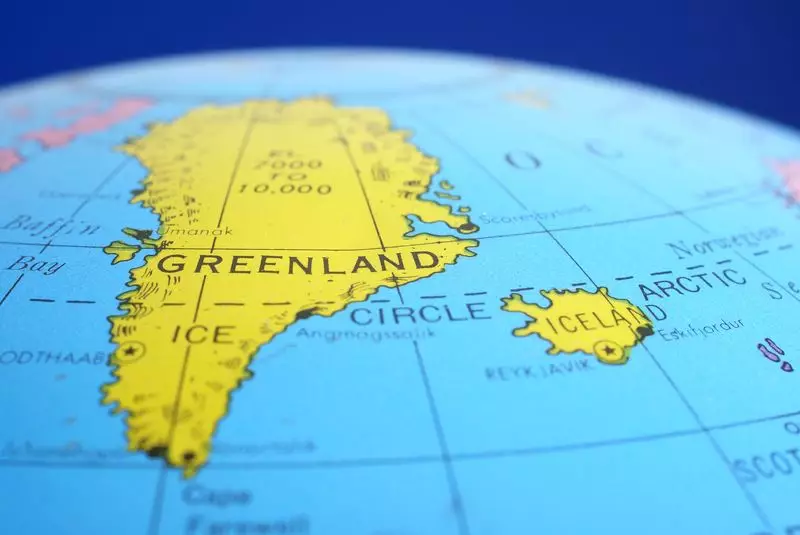
In a move that stunned diplomats and geopolitical observers worldwide, former US President Donald Trump expressed a serious interest in having the United States purchase the vast, icy island of Greenland. This was not a passing whim but a calculated proposition rooted in long-term strategic and economic ambitions for the Arctic region.
The Geopolitical Chessboard of the Arctic
The core of Trump's desire lay in the rapidly changing geopolitics of the Arctic. As climate change causes polar ice to melt at an unprecedented rate, new sea routes are opening, and access to vast untapped resources is becoming feasible. The Arctic is transforming into a new zone of global competition, involving major powers like Russia and China alongside Arctic nations.
By acquiring Greenland, the United States would have secured a massive territory in the North Atlantic and Arctic, dramatically expanding its sovereign reach. This would have provided unparalleled control over emerging shipping lanes like the Northwest Passage and strengthened America's position against Russian militarization in the Arctic. A US-controlled Greenland would act as an unsinkable strategic aircraft carrier and surveillance post, dominating the northern approaches to the continent.

A Treasure Trove of Resources and Economic Incentives
Beyond military strategy, Greenland is believed to be sitting on a goldmine of critical minerals and natural resources. The island's subsurface is estimated to hold:
- Rare earth elements, crucial for manufacturing smartphones, electric vehicles, and advanced military hardware.
- Substantial deposits of oil, gas, and uranium.
- Precious metals like gold, ruby, and diamonds.
For an administration focused on economic dominance and reducing dependency on Chinese supply chains, particularly for rare earths, controlling Greenland's resources presented a tantalizing opportunity. The economic potential, though requiring significant investment to unlock, was a powerful driver behind the proposition.
Diplomatic Rejection and Lasting Implications
The proposal, however, was met with swift and unequivocal rejection. The idea was floated in 2019, with then-President Trump confirming his interest, calling it a "large real estate deal." The government of Denmark, which handles Greenland's foreign and defense policy, immediately dismissed the notion as "absurd." Greenland's own leadership stated firmly that the island was "not for sale."
The episode caused a brief diplomatic rift, leading Trump to postpone a state visit to Denmark. While the direct purchase plan was abandoned, the incident highlighted several key realities:
- Arctic Ascendancy: It underscored the immense and growing strategic value of the Arctic region in global politics.
- Great Power Rivalry: It reflected the US's acute awareness of Chinese and Russian activities in the Far North and a desire to counter them.
- Greenland's Agency: It brought international attention to Greenland's aspirations for greater independence and economic self-sufficiency from Denmark.
Ultimately, while the US did not gain sovereignty over Greenland, the event spurred increased American focus and investment in the territory. The US reopened a consulate in Nuuk, Greenland's capital, and has significantly boosted aid and cooperation, viewing it as a key strategic partner. The Trump proposition, though unsuccessful, permanently altered the calculus of Arctic engagement, proving that Greenland is far more than just ice—it is a central piece in the 21st-century great game for resources and influence.