

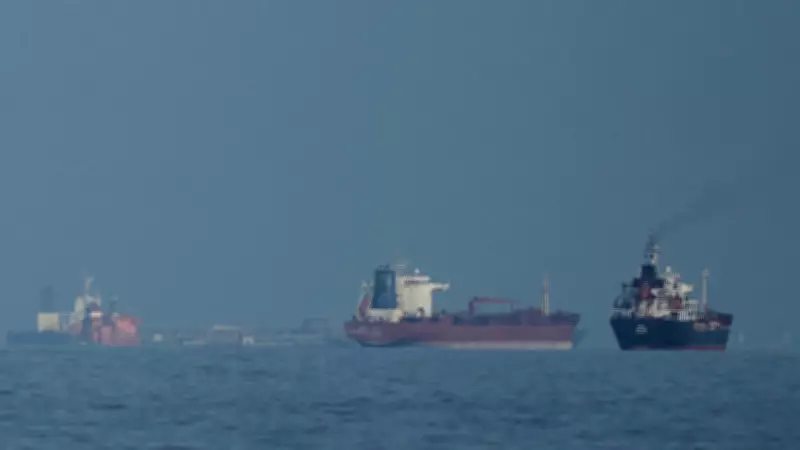
Global Oil Crisis Looms as Trump Announces Strait of Hormuz Blockade
In a dramatic escalation of tensions, US President Donald Trump has declared that the United States Navy will initiate a comprehensive blockade of the Strait of Hormuz, a critical maritime chokepoint for global oil shipments. This announcement comes directly on the heels of unsuccessful peace negotiations with Iran, which failed to produce any tangible diplomatic outcomes.
Immediate Market Turmoil and Price Surge
The financial markets reacted with immediate and severe volatility following President Trump's statement. Oil prices, which had previously experienced a decline due to optimism surrounding the announced ceasefire and peace talks, reversed course dramatically. On Monday, global benchmark crude oil prices soared by nearly 7%, reflecting deep-seated fears about the security of energy supplies. This sharp increase underscores the Strait of Hormuz's pivotal role in the world economy, as approximately one-fifth of the world's oil passes through this narrow waterway.
Mechanics of the Proposed Naval Blockade
The operational details of how the US intends to enforce this blockade remain a subject of intense scrutiny and speculation. President Trump's directive specifies that the US Navy will "begin the process of blockading any and all ships trying to enter, or leave, the Strait of Hormuz." This suggests a significant military mobilization aimed at intercepting and inspecting vessels. Analysts predict that such an action would involve:

- Deployment of additional US naval assets, including destroyers and aircraft carriers, to the region.
- Establishment of a coordinated patrol and interdiction system to monitor maritime traffic.
- Potential confrontations with Iranian naval forces, which regularly operate in the area to assert control.
- Implementation of identification and inspection protocols for commercial tankers, which could cause severe shipping delays.
This blockade strategy represents a high-stakes geopolitical maneuver, directly challenging Iran's influence and threatening to disrupt a vital artery of international trade.
Broader Implications for Global Stability
The repercussions of this blockade extend far beyond immediate oil price fluctuations. Energy-dependent nations across Europe and Asia are now bracing for potential supply shortages and increased costs, which could trigger inflationary pressures worldwide. Furthermore, the action risks provoking retaliatory measures from Iran, potentially escalating into a broader military conflict in the already volatile Middle East. The international community is watching closely, as this development threatens to destabilize not only regional security but also the fragile post-pandemic global economic recovery.






