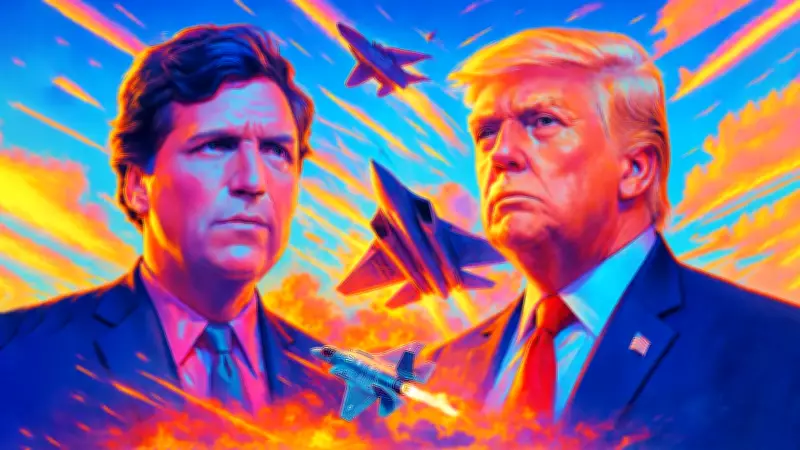
Tucker Carlson's Interview with Donald Trump: A Global Political Analysis
In a recent high-profile interview, former Fox News host Tucker Carlson sat down with former U.S. President Donald Trump, generating significant attention worldwide. This conversation has become a focal point for political analysts, media experts, and the public, as it delves into critical issues shaping international discourse.
Key Themes and Discussions
The interview covered a wide range of topics, with Trump addressing his views on current U.S. leadership, foreign policy, and domestic challenges. Carlson, known for his provocative style, steered the discussion toward contentious areas, including media bias and political polarization. Trump reiterated his criticisms of the Biden administration, emphasizing what he perceives as failures in economic management and national security.
Media Dynamics and Public Perception: A notable aspect of the interview was the exploration of media's role in politics. Trump accused mainstream outlets of unfair coverage, while Carlson highlighted the growing influence of alternative media platforms. This exchange underscores the evolving landscape of political communication, where traditional gatekeepers face competition from digital channels.

Global Implications and Reactions
The interview's impact extends beyond U.S. borders, resonating with international audiences. Political leaders and analysts in countries like India, Europe, and Asia have weighed in, noting its potential effects on global alliances and trade policies. Trump's remarks on international relations, particularly regarding China and NATO, have sparked debates on future diplomatic strategies.
Public and Expert Responses: Reactions have been mixed, with supporters praising Trump's candidness and critics questioning the interview's timing and content. Social media platforms have seen a surge in discussions, reflecting the polarized nature of contemporary politics. Experts suggest that such interviews can influence voter sentiment ahead of upcoming elections, making them crucial for political strategists.
Analysis of Political Messaging
From a strategic perspective, the interview served as a platform for Trump to reinforce his political brand and connect with his base. Carlson's questioning allowed Trump to articulate his vision for America's future, touching on themes like immigration, economic revival, and national pride. This aligns with broader trends in political messaging, where personal narratives and media appearances play a key role in shaping public opinion.
- Leadership and Governance: Trump emphasized his achievements during his presidency, contrasting them with current policies.
- Media Influence: The discussion highlighted the power of interviews in setting political agendas and challenging mainstream narratives.
- International Relations: Trump's comments on global issues have implications for international cooperation and conflict resolution.
In conclusion, Tucker Carlson's interview with Donald Trump is more than just a media event; it is a significant moment in global political discourse. By examining leadership, media dynamics, and international reactions, this analysis provides insights into how such interactions shape the political landscape. As the world watches, the ripple effects of this conversation will likely influence debates and decisions in the months to come.