

UK Sikh Restaurateur Arrested Following Restaurant Closure Announcement
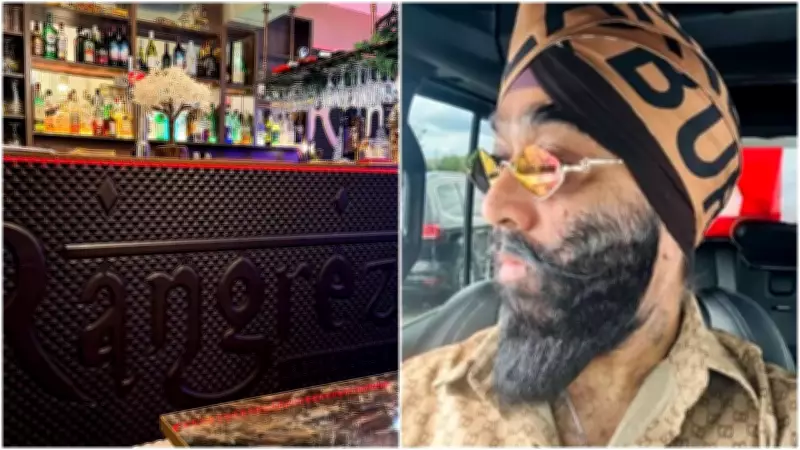
Harman Singh Kapoor, an Indian-origin restaurateur and Sikh activist based in the United Kingdom, has been taken into police custody just days after he publicly declared the shutdown of his long-standing establishment, Rangrez. The 16-year-old restaurant's closure was attributed by Kapoor to sustained threats from Pakistani individuals and an alleged failure by local law enforcement to provide adequate protection.
Arrest and Allegations of Religious Targeting
Confirming his arrest through social media, Kapoor expressed deep distress over the circumstances. "All I did was protect my family, yet I was the one arrested," he stated in a tweet. While not specifying the exact charges, Kapoor accused the police of focusing on his religious identity rather than ensuring his safety. "Instead of protecting us, the police targeted my religion — my Sikh faith and my beliefs. This is deeply troubling," he added, highlighting concerns about potential bias in the handling of his case.
Conflict Over Halal Meat Policy Leads to Threats
Prior to his arrest, Kapoor had detailed the reasons behind the restaurant's demise. He disclosed that his business faced targeted harassment from Muslim communities because, from its inception, Rangrez had a firm policy against selling halal meat. This stance, according to Kapoor, led to coordinated campaigns of negative reviews and threats primarily from Pakistanis, which he believes contributed significantly to the restaurant's financial struggles.

In a series of controversial posts on X (formerly Twitter), Kapoor made inflammatory remarks, referring to Muslims as "inbreds" and reiterating his anti-halal position. "Proudly, I don’t sell halal, and because of this many individuals from the inbred community are unhappy and posting fake reviews," he wrote. He further asserted that his restaurant would not cater to such customers "at the cost of tortured animals," and called for a ban on halal meat in the UK, framing it as an animal welfare issue.
Background of Harman Singh Kapoor: Activism and Controversy
Harman Singh Kapoor is known not only as a restaurateur but also as a vocal Sikh activist. He has previously spoken out against Khalistani extremism, claiming in 2023 that his car was shot at and vandalized following his criticisms of the movement. In recent months, Kapoor and his wife have intensified their activism, particularly against Muslims, sharing content about alleged "Love Jihad" cases in the UK and Australia.
Kapoor has claimed that he has been investigating instances where girls are being "brainwashed by Pakistani and Bangladeshi boys" and losing contact with their families. However, his activism has drawn significant criticism online. Some social media users have accused him of planning to enter politics alongside far-right activist Tommy Robinson, while others have pointed out what they see as hypocrisy in his anti-immigrant rhetoric, given that he reportedly sought asylum in the UK as an Afghan Sikh refugee despite originally being from India.
Broader Implications and Future Plans
Despite the arrest and the closure of his business, Kapoor remains defiant. He stated that he does not regret the failure of his restaurant, as he plans to shift his focus entirely to activism. This case raises important questions about:

- Religious Freedom and Business Practices: The conflict highlights tensions between personal religious beliefs and commercial decisions in multicultural societies.
- Police Response to Threats: Kapoor's allegations suggest potential gaps in how law enforcement addresses threats against minority business owners.
- Online Harassment: The role of social media in facilitating coordinated campaigns against businesses based on ideological differences.
- Activism and Legal Boundaries: The fine line between free speech and hate speech, especially in the context of inflammatory online posts.
As the situation develops, it underscores the complex interplay of immigration, religion, and activism in contemporary Western societies. Kapoor's journey from restaurateur to full-time activist, now compounded by legal challenges, serves as a poignant example of how personal convictions can collide with public and legal scrutiny in today's interconnected world.





