

UK Government Unveils £53 Million Emergency Support for Heating Oil Costs
The UK government has introduced a £53 million emergency support package aimed at assisting vulnerable households grappling with skyrocketing heating oil expenses. This initiative comes as global energy markets experience significant volatility, largely fueled by ongoing conflicts in the Middle East.
Prime Minister Keir Starmer Announces Immediate Relief Measures
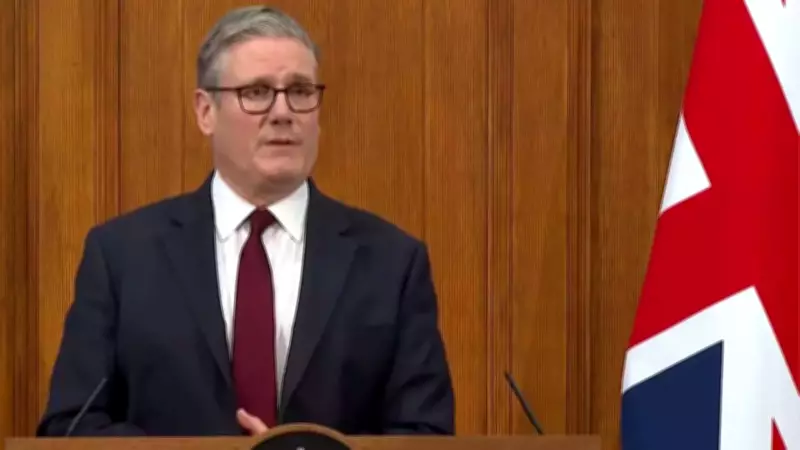
Prime Minister Keir Starmer revealed the funding during a press conference at 10 Downing Street, emphasizing that the government's top priority is to aid working families in managing the escalating cost of living triggered by the current crisis. Starmer stated that the funding will deliver "immediate support" to low-income households, particularly those in rural areas reliant on heating oil for home heating.
"We won’t just wait while people struggle," Starmer declared, adding that the government will take legal action against companies suspected of exploiting the situation. "If heating oil companies are breaking the law, there will be legal action."

Root Causes of the Heating Oil Price Surge
The intervention follows a sharp increase in oil prices after military strikes by the United States and Israel on Iran on February 28, which escalated regional tensions. This crisis has disrupted shipping through the Strait of Hormuz, a critical oil transit route handling approximately 20% of global oil supplies. Since the conflict began, crude oil prices have surged from around USD 71 per barrel to over USD 100, directly impacting heating oil costs for consumers.
While the UK's energy price cap offers protection for households using mains gas and electricity, heating oil—which utilizes kerosene—is not regulated by Ofgem, leaving many without safeguards.
Rural Communities Bear the Brunt of the Crisis
Heating oil is used by about 6% of UK households, predominantly in rural regions where homes lack connections to the gas grid. In Northern Ireland, dependence is even higher, with nearly two-thirds of households relying on it. Reports indicate that some consumers have seen prices double, while others allege suppliers are cancelling orders and subsequently raising prices.
Under the new funding plan, allocations are as follows:
- £27 million for England
- £17 million for Northern Ireland
- £4.6 million for Scotland
- £3.8 million for Wales
However, the Welsh nationalist party Plaid Cymru has urged the government to extend support beyond the poorest households to include all rural families facing high heating oil and LPG costs.
UK Considers Additional Energy Measures Amid Uncertainty
Starmer noted that the government is closely monitoring the situation as the current energy price cap is set to expire at the end of June. In an interview with Sky News political editor Beth Rigby, he indicated that the government is "not ruling anything out" but cautioned about the uncertain future trajectory of energy prices. The prime minister also highlighted diplomatic efforts focused on de-escalating tensions and restoring shipping through the Strait of Hormuz to stabilize global energy markets.
Wider Regional Tensions Persist
The regional security landscape remains fragile. Authorities in Dubai reported disruptions at Dubai International Airport following a drone strike that caused a fire at a fuel tank facility. Concurrently, the United Arab Emirates stated it has faced multiple missile and drone attacks from Iran since the war's onset.
Iran, however, maintains that the Strait of Hormuz has not been fully closed. Foreign minister Abbas Araghchi asserted that the waterway remains open to neutral shipping but is restricted for the US, Israel, and their allies.






