

US Announces $10 Million Reward for Intelligence on Iran's Supreme Leader
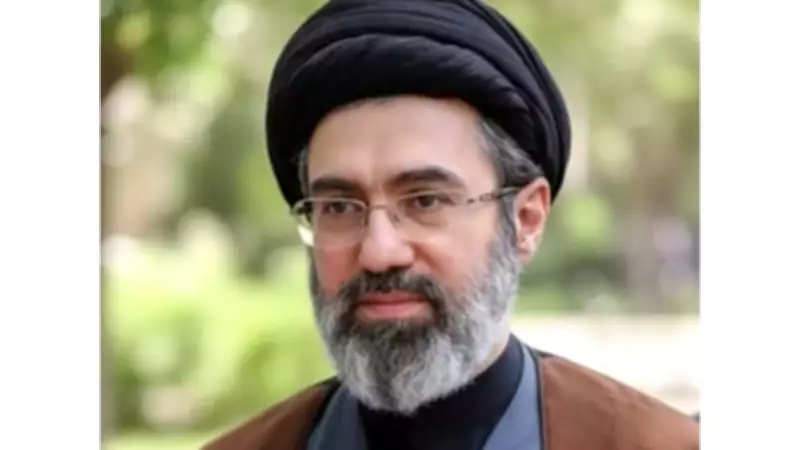
The United States State Department has taken a significant step in its ongoing confrontation with Iran by offering a substantial financial incentive for information. On Friday, the department revealed a $10 million reward for intelligence pertaining to Iran's new supreme leader, Mojtaba Khamenei, along with several other high-ranking Iranian officials. This announcement comes at a time of heightened tensions in the Middle East, following a series of military exchanges that have intensified regional instability.
Escalating Tensions Prompt Reward Program Activation
The decision to issue this reward is directly linked to the recent surge in hostilities. On February 28, joint US-Israeli strikes targeted Iranian military sites, which were met with retaliatory missile and drone attacks from Iran across the region. These events have created a volatile atmosphere, prompting the US to leverage its "Rewards for Justice" program. This initiative is designed to provide cash rewards for information that aids in locating or prosecuting individuals involved in terrorism against the United States, underscoring the gravity of the current situation.
Details of the Reward and Targeted Officials
In addition to Mojtaba Khamenei, the reward list includes Iran's interior minister and minister of intelligence and security, highlighting the broad scope of the US's concerns. The Rewards for Justice program made the announcement via social media, stating, "Got information on these Iranian terrorist leaders? Send us a tip. It could make you eligible for a reward and relocation." This public call for information reflects a strategic move to gather intelligence while applying pressure on Iranian leadership.

Trump's Claims and Rhetoric Amid the Crisis
Simultaneously, US President Donald Trump has made bold assertions regarding the conflict. During a virtual meeting with G7 leaders on Wednesday, Trump claimed that Iran is "about to surrender" in the Middle East crisis. According to reports from Axios, which cited three officials from G7 countries, Trump told allies that he had "got rid of a cancer that was threatening us all," referring to the outcome of Operation "Epic Fury." He further escalated his rhetoric by labeling Iran's leadership as "deranged scumbags" and expressing pride in actions taken against them.
As the conflict enters its second week, with intense exchanges of drone and missile strikes continuing across the region, Trump emphasized that Washington's military strikes aim to "destroy the terrorist regime of Iran." These statements come amid reports of casualties, including two Indians killed and ten injured in an Iranian drone attack in Oman, adding to the human toll of the escalating violence.
Broader Implications and Regional Impact
The $10 million reward and Trump's comments signal a hardening of the US stance against Iran, potentially influencing diplomatic and military strategies in the Middle East. The involvement of multiple nations, including Israel and G7 countries, underscores the international dimensions of this crisis. Observers note that these developments could lead to further retaliatory measures, complicating efforts to de-escalate tensions and stabilize the region.
This article provides a comprehensive overview of the latest developments, highlighting the interconnected nature of military actions, diplomatic maneuvers, and public statements in shaping the ongoing conflict between the US, Israel, and Iran.






